
Huautla de Jimenéz - Simple life? Complex problems.
When I first arrived and stepped onto that wet and muddy, almost invisible trail snaking down the steep mountain flank, I really had to ask myself: What did I think I would find here? I felt the call, sure. But in that moment, doubt crept in. Honestly—what the fuck was I expecting? I hardly knew.
Those first few days seemed to have nothing to do with the quest I thought I was on. I second-guessed everything, even the idea of wanting to move to a place so remote, so seemingly stuck in time. Not because I didn’t feel safe—I do. In fact, I feel more protected here than I’ve felt in places far more modern or developed. Even though I was warned not to wander on my own, I still feel a deep sense that no harm will come to me. This connection I’m building with Mexico is ancient, soul-deep, and being here only affirms that bond.
But those warnings? They aren’t about danger. They’re about respect. Respect for a culture that has been stolen from, repackaged, and sold back to the world—often without the consent or benefit of the people who created it.
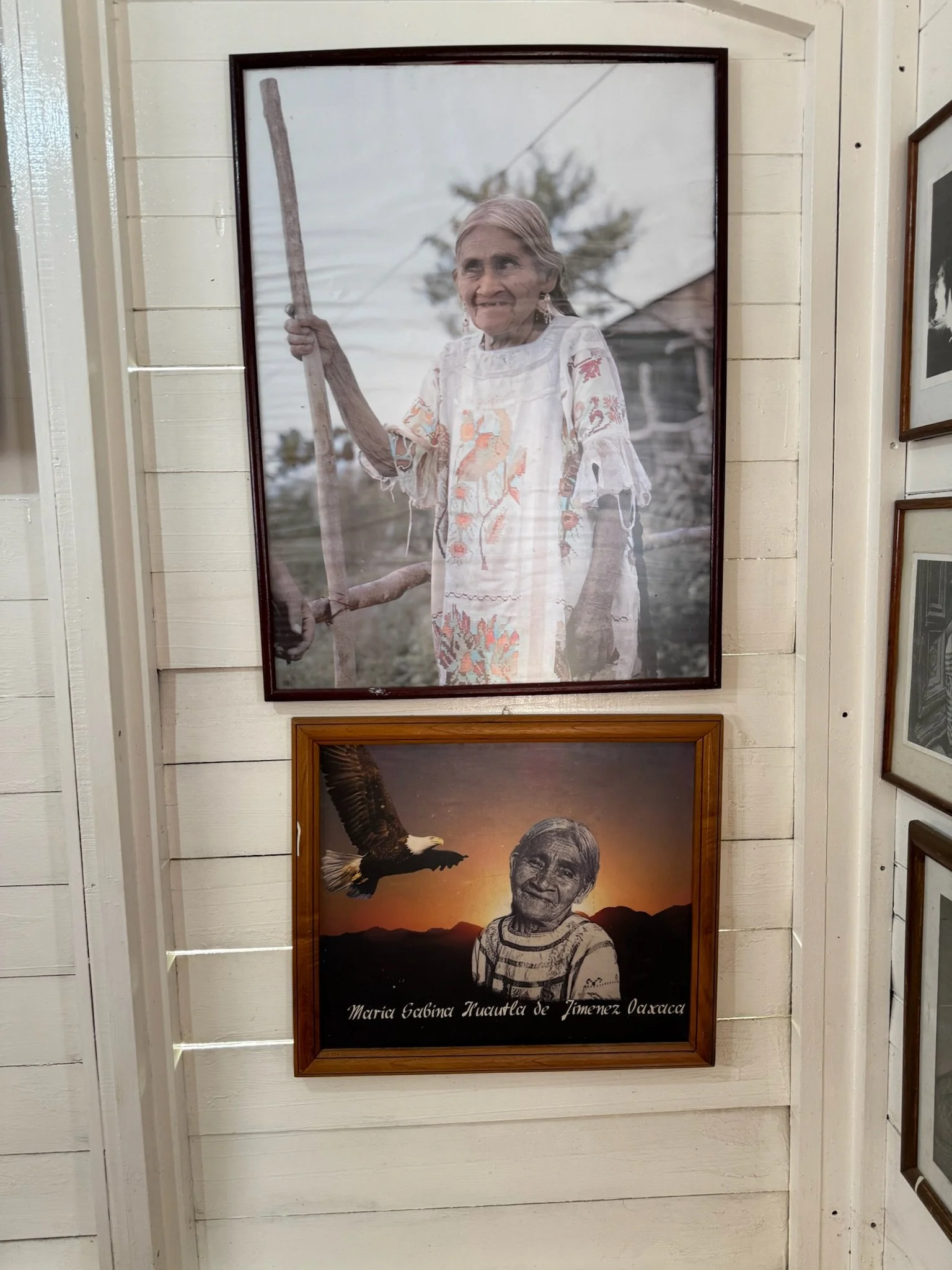
Take María Sabina’s story. She never charged for her ceremonies or healing work. She believed the mushrooms—the santitos—were sacred gifts, and her role as a sabia was to serve as a conduit, not a businesswoman. But those she trusted betrayed her. They took from her—her chants, her image, her medicine—and never gave back. They made careers off her name. Her house was burned, and she was accused of being a drug dealer. The woman who opened the portal for so many was left with very little in return.
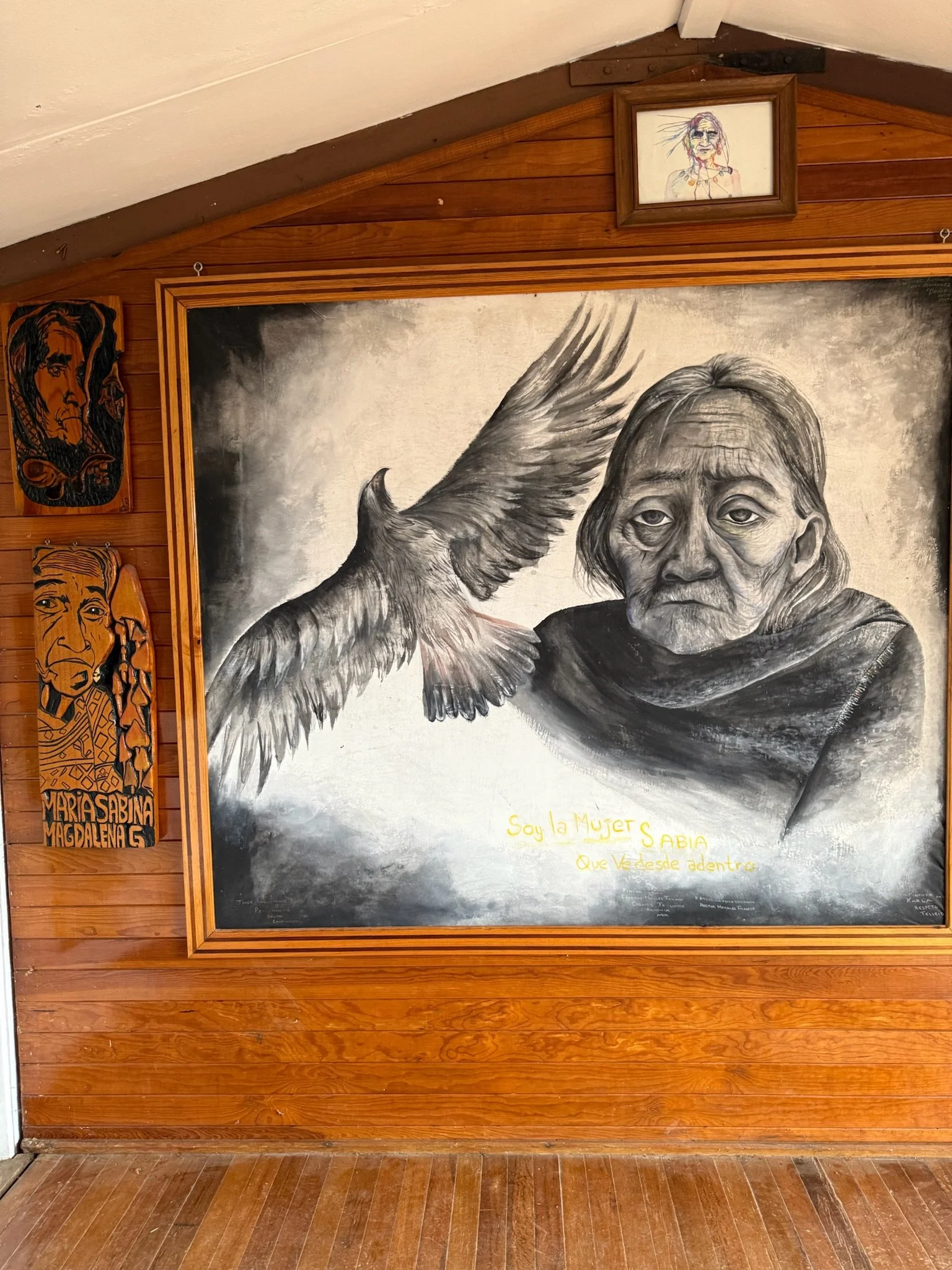
I visited the house where she spent the final eight years of her life, now transformed into a modest museum. Even in that sacred space, I saw the cycle repeating. Outsiders come with their own mushrooms and their own guides, charging thousands per person to host ceremonies in this land—but they leave nothing behind. They don’t support the local economy or the culture that makes these ceremonies possible. They don’t purchase the santitos—the sacred mushrooms, so named with reverence by the Mazatec people—through the proper channels, nor do they hire local healers. Tour companies rent the land, extract the experience, and go.
No wonder the people of Huautla are wary. Their town, their culture, their medicine is becoming a circus act for Instagram. It’s not just appropriation—it’s theft. If I were in their shoes, I would be fiercely protective too.
It’s deeply eye-opening. Gentrification hasn’t quite reached this part of the world yet—but it’s coming. In Oaxaca, it already has. Foreigners with money have driven prices up. Business owners adapt, yes—but at what cost? What happens to the residents who now can’t afford grapes? Or bottled water during a drought? Or gasoline?
We Westerners come here thinking we’re embracing their culture. That we’re “blending in.” But the reality is, we’re making a mark—and not always a good one.
After leaving the museum, we made our way down the steep streets to the panteón, the cemetery where María Sabina is buried. We brought beeswax candles as ofrendas. Unlike the cemeteries I grew up with, this one was vibrant—an intricate maze of tombs adorned with flowers, candles, and stories. It wasn’t a place of mourning. It was a place of return.
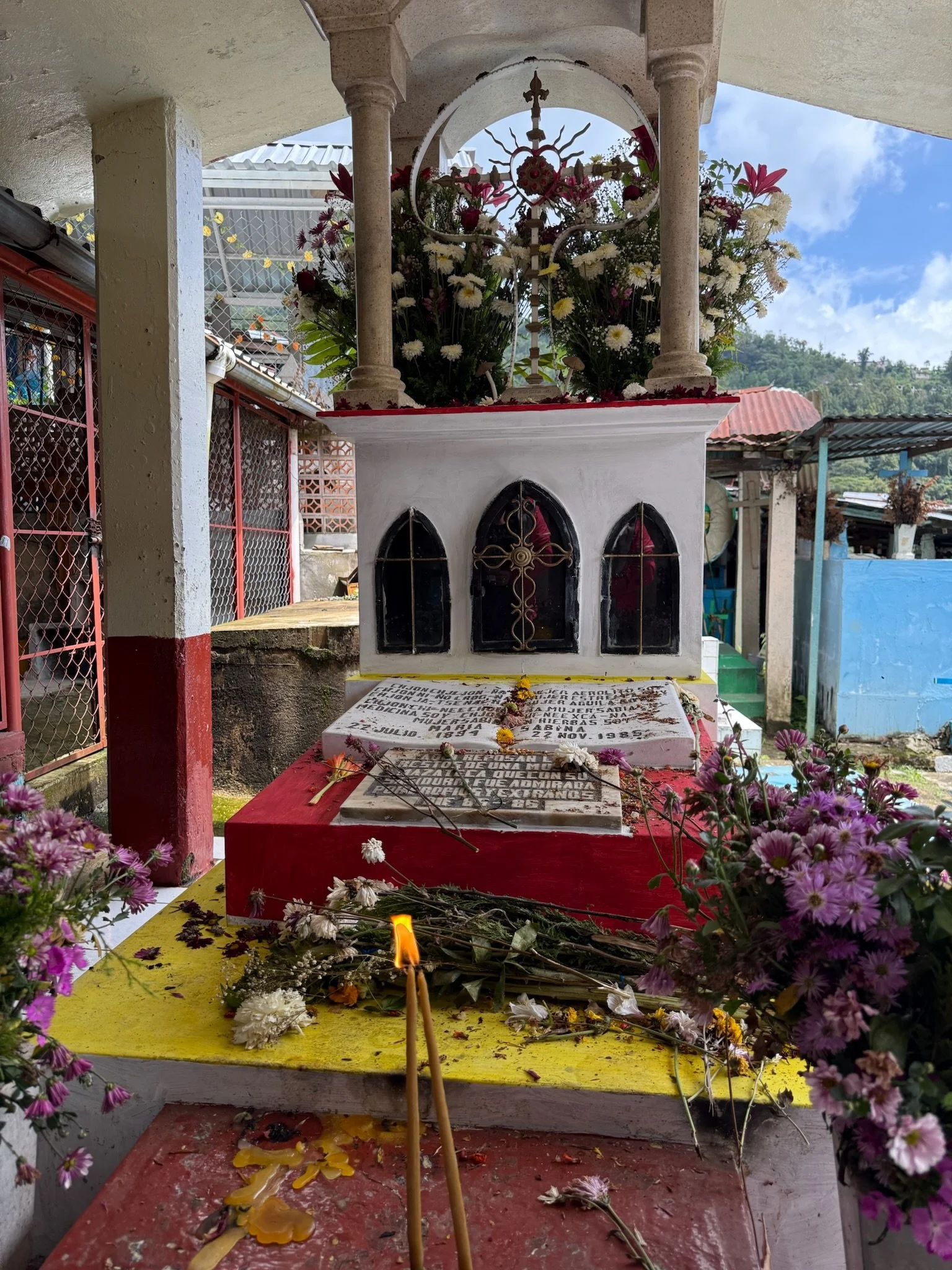
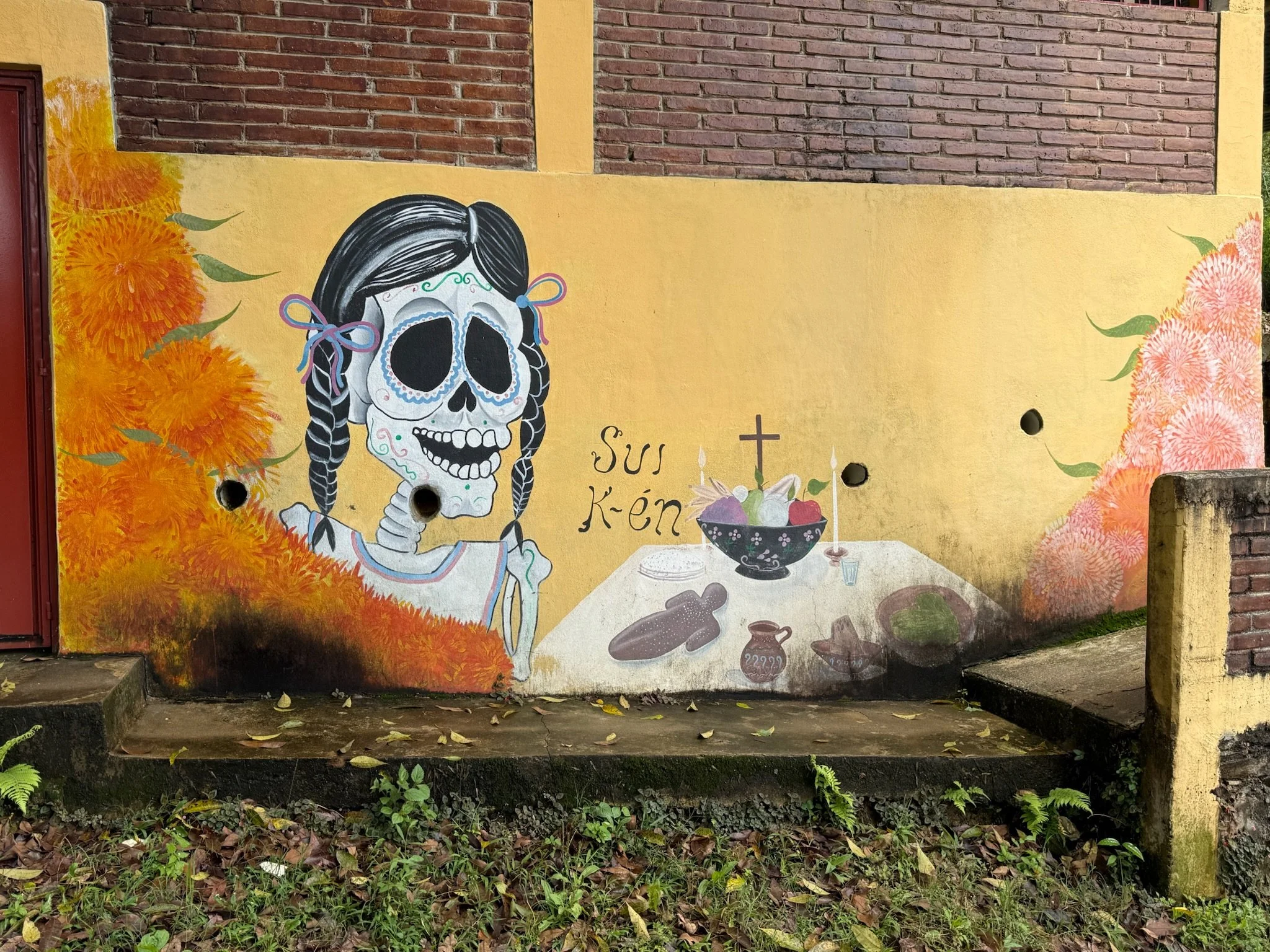
The Mazatec believe we come from the stars. We are beings of light. When we are born into this life, we become muddied in the darkness of this world. Our task is to cleanse ourselves and remember the brilliance of who we are.
This worldview aligns with the ancient Mesoamerican belief in the Tonalli—a soul-energy given on the day of one’s birth. It shapes your essence, your destiny, your medicine. That day is also part of a Trecena, a 13-day cycle in the sacred calendar. These two together offer a map of who we are and what we came here to do.
And you all know… behind this Mexican adventure lies a deeper calling. I came here to find that purpose. I’ve felt lost these last few years. But I’ve been given a rare and generous gift by four powerful women. Wise, intuitive, rooted in spirit and Earth. They saw something in me and opened their hearts to guide me through this time.
Some people might dismiss this journey—say it’s fluff, or mystical nonsense, or selfish. But for me, this is a necessary reckoning. It’s me finally putting my oxygen mask on first.
Because let’s be honest: I’ve spent years helping others. Saying the right things. Pouring out. But who takes care of me? Why have I denied myself the right to rest, to heal, to listen to my soul?
This trip has shaken me to the core. I’ve cried more than I want to admit. I’ve reopened wounds I thought were long scarred over. But I’ve also started forgiving myself—for not being the person everyone expected me to be.
If you’re reading this, you’re part of my sacred circle. I didn’t need this trip to Mexico to know how much you matter to me—but being here has shown me just how deep that love runs.
This is not a vacation. It’s a dismantling. And I am resilient, just as my Tonalli says—but that doesn’t make it easy. With only a few days left, I now see how this whole journey—each odd moment, each conversation with a “random” person—was guiding me.
I am climbing toward a summit I don’t yet understand. But I’m learning to trust the path. Like when I was instructed to climb Cerro del Jaguar with my eyes closed, hand in hand with a stranger, surrendering to trust—I see now that each step has been perfectly placed.
Nothing happens for nothing.
Had I never chosen Spanish over typing class in high school, I never would have met the man who became my husband. I never would have learned to speak the language of a land that has become a second home. I never would have felt this soul-deep connection to a country that continues to offer me magic at every turn.
True life begins when we shed illusion and ego.
You all know—I have an ego large enough to block a doorway. I rationalize everything. That’s my default. But that’s also what I’m here to dismantle.
If there’s one thing I’ve learned, it’s this:
We are here for only a moment. Find your truth. Stop resisting. And know—if you were ever to fall, life will catch you.
Life is simple. But somehow, we love to complicate it.