
Lost track of time - The Days of Alebrijes, Rain, Mountains & Sacred Land
The last few days have been an adventure — and that’s putting it lightly.
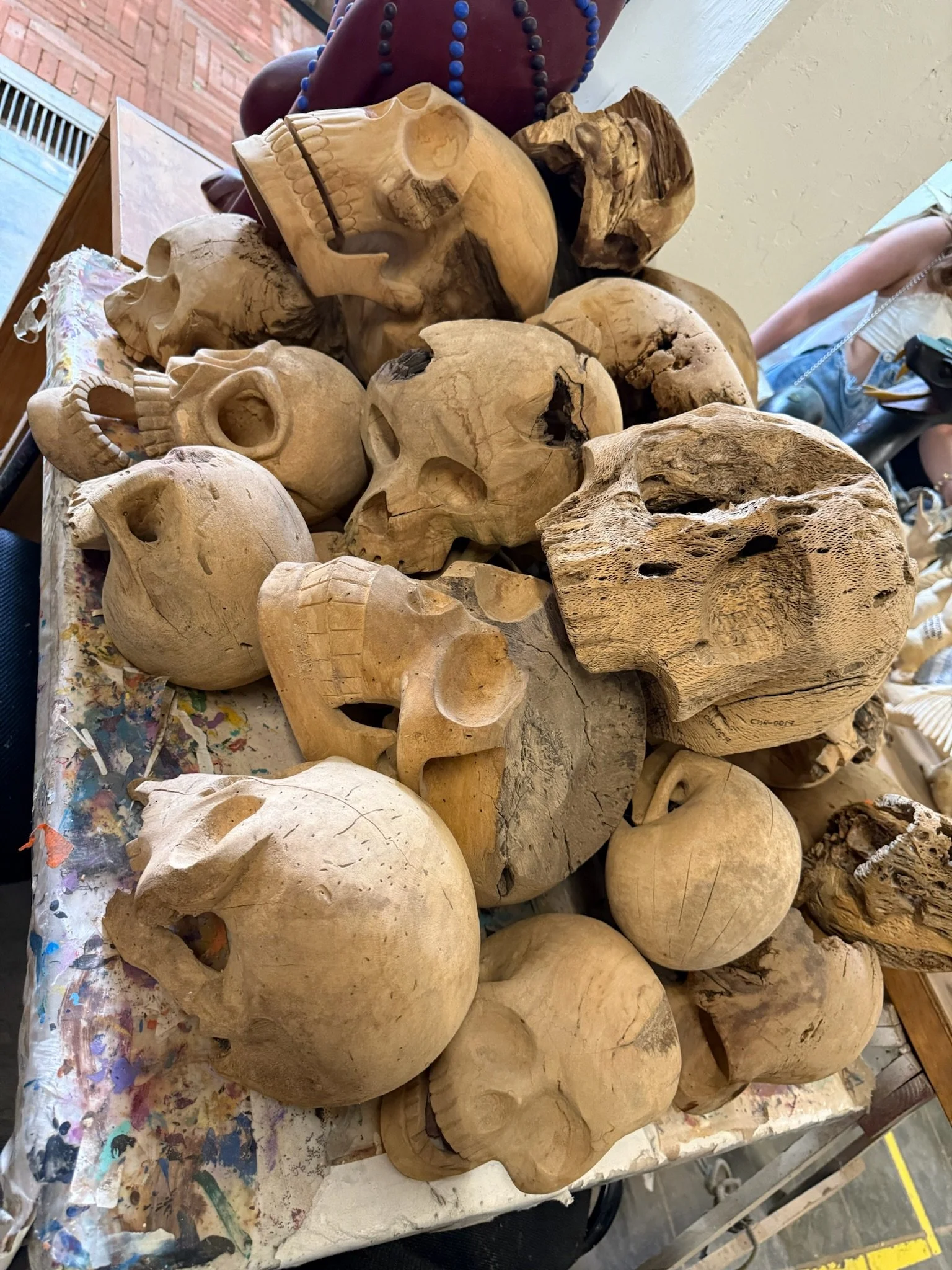
The curandera took me to San Martín Tilcajete, the village famous for alebrijes. These mystical, hand-carved animal figures are far more than tourist attractions — they carry deep symbolic meaning and have roots in indigenous storytelling. While alebrijes as we know them were popularized by Pedro Linares in a dream (in Mexico City in the 1930s), the artists in Tilcajete infused the form with Zapotec traditions, carving from copal wood — the same sacred tree whose resin is burned in ancestral purification rituals.
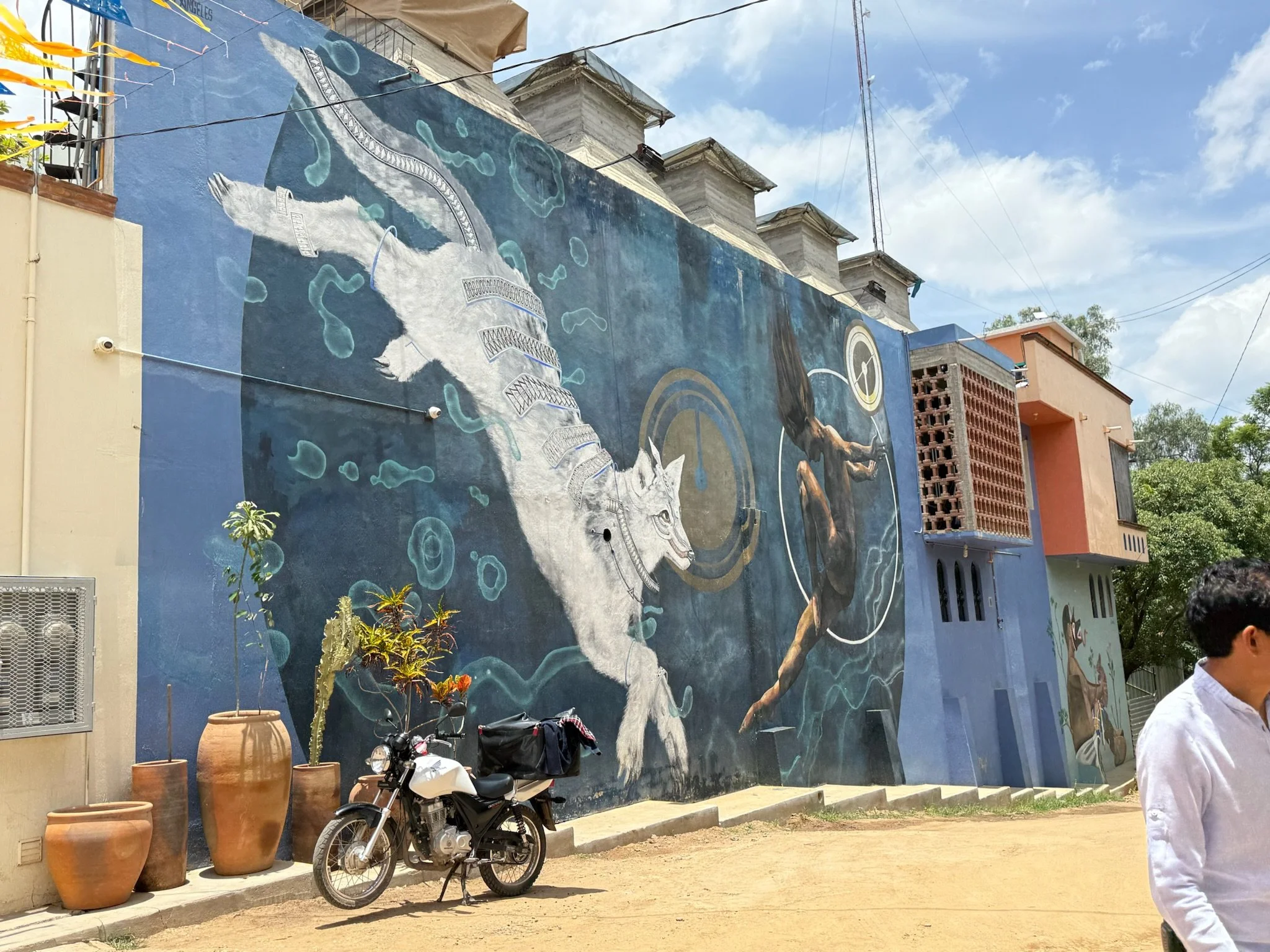
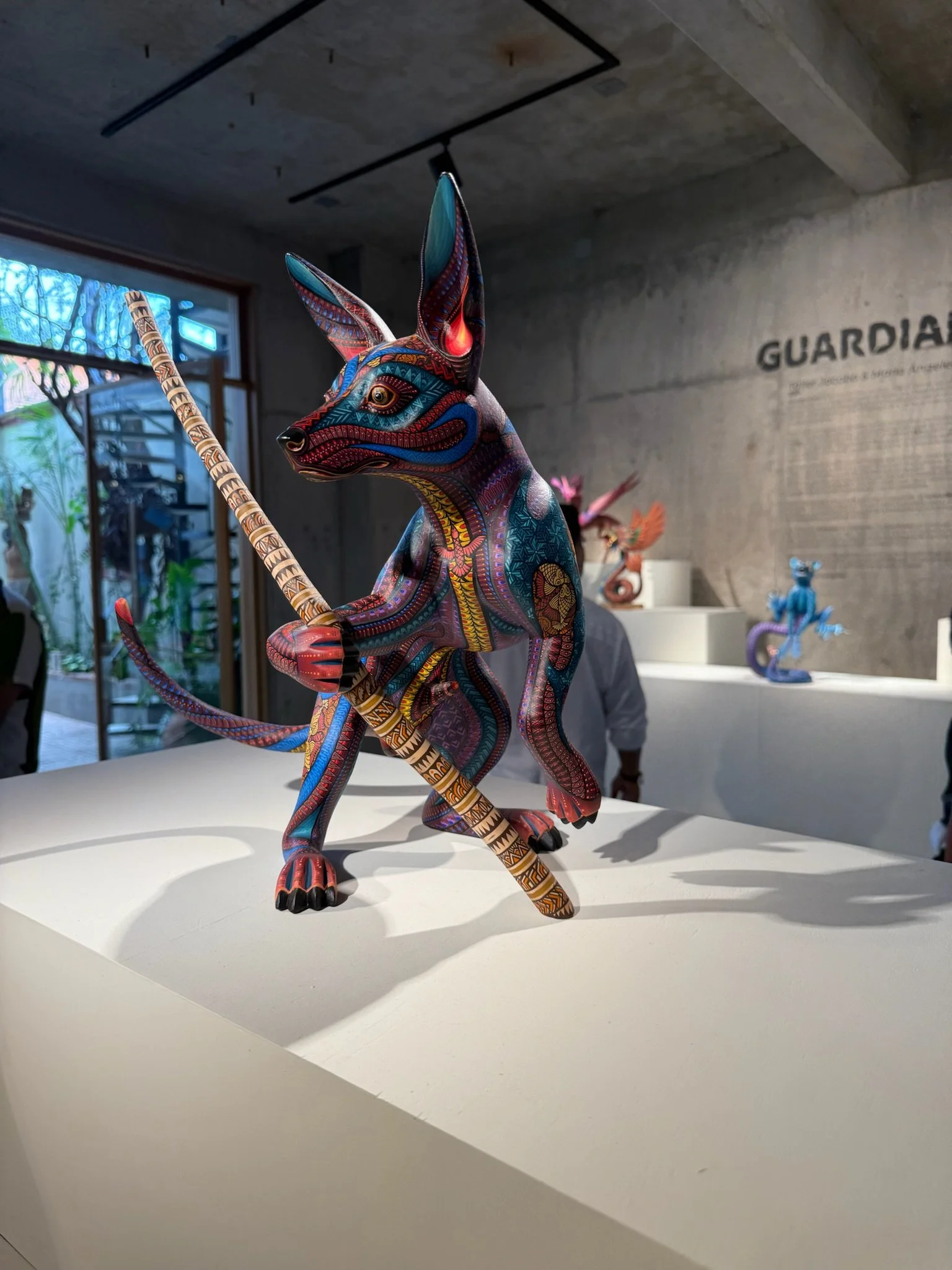
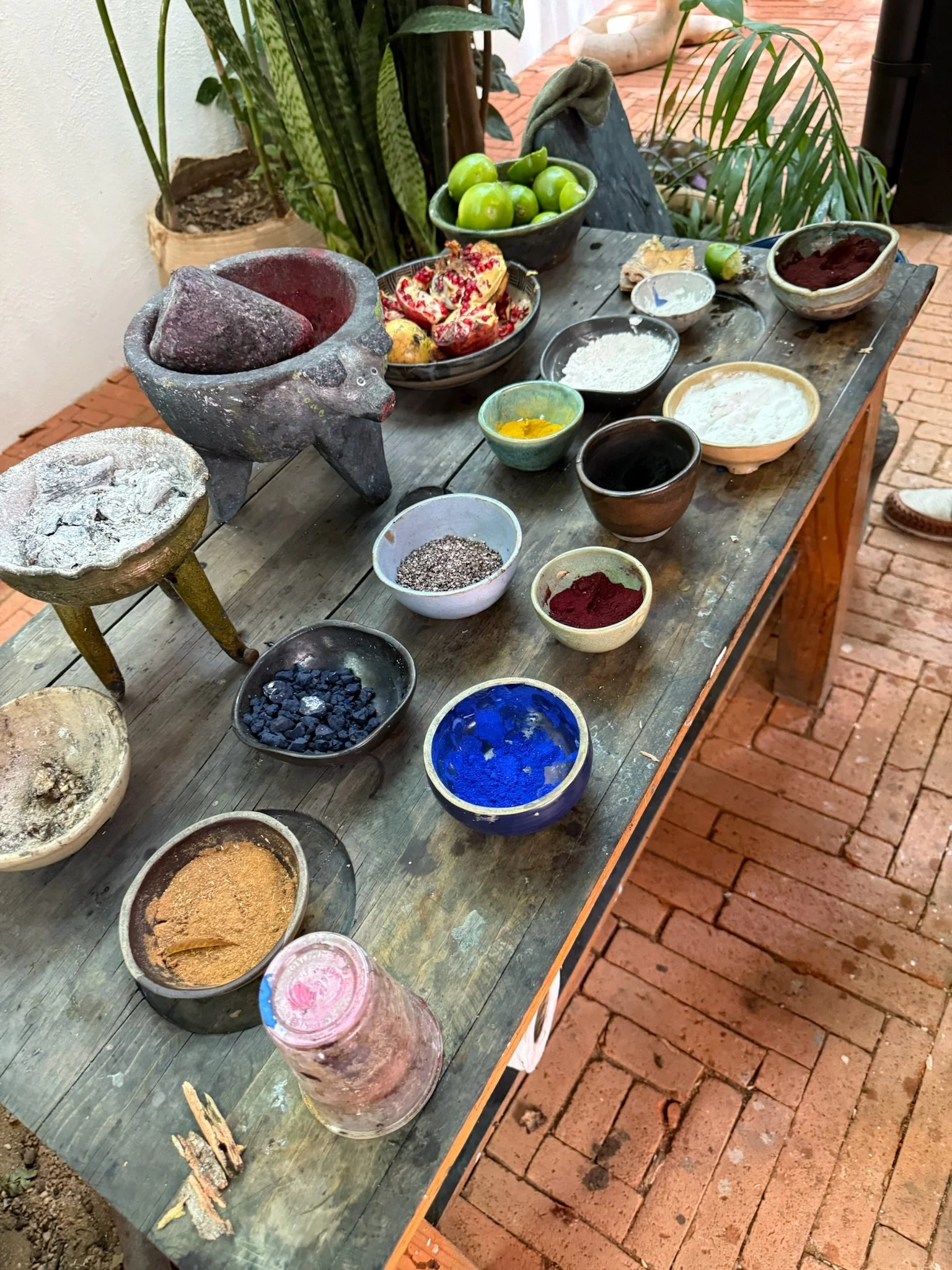
We learned about the entire process: how the wood is dried, how the dyes are mixed using lime instead of water, and how different parts of the bark create a natural, earthy color palette. We met the artists at work — young and old — painting impossibly intricate patterns, line by line. I was awestruck. I can’t even paint my nails without making a mess!
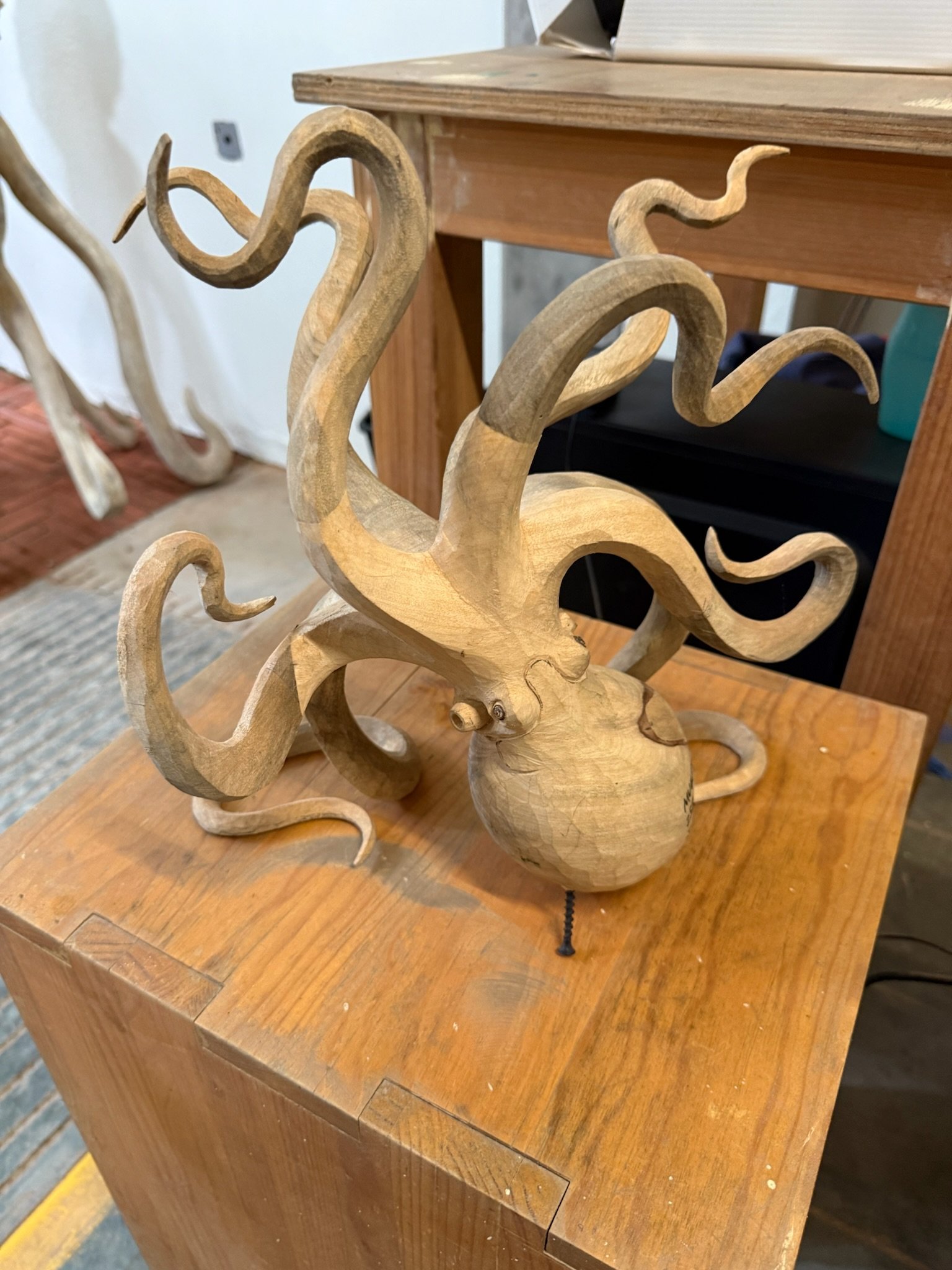
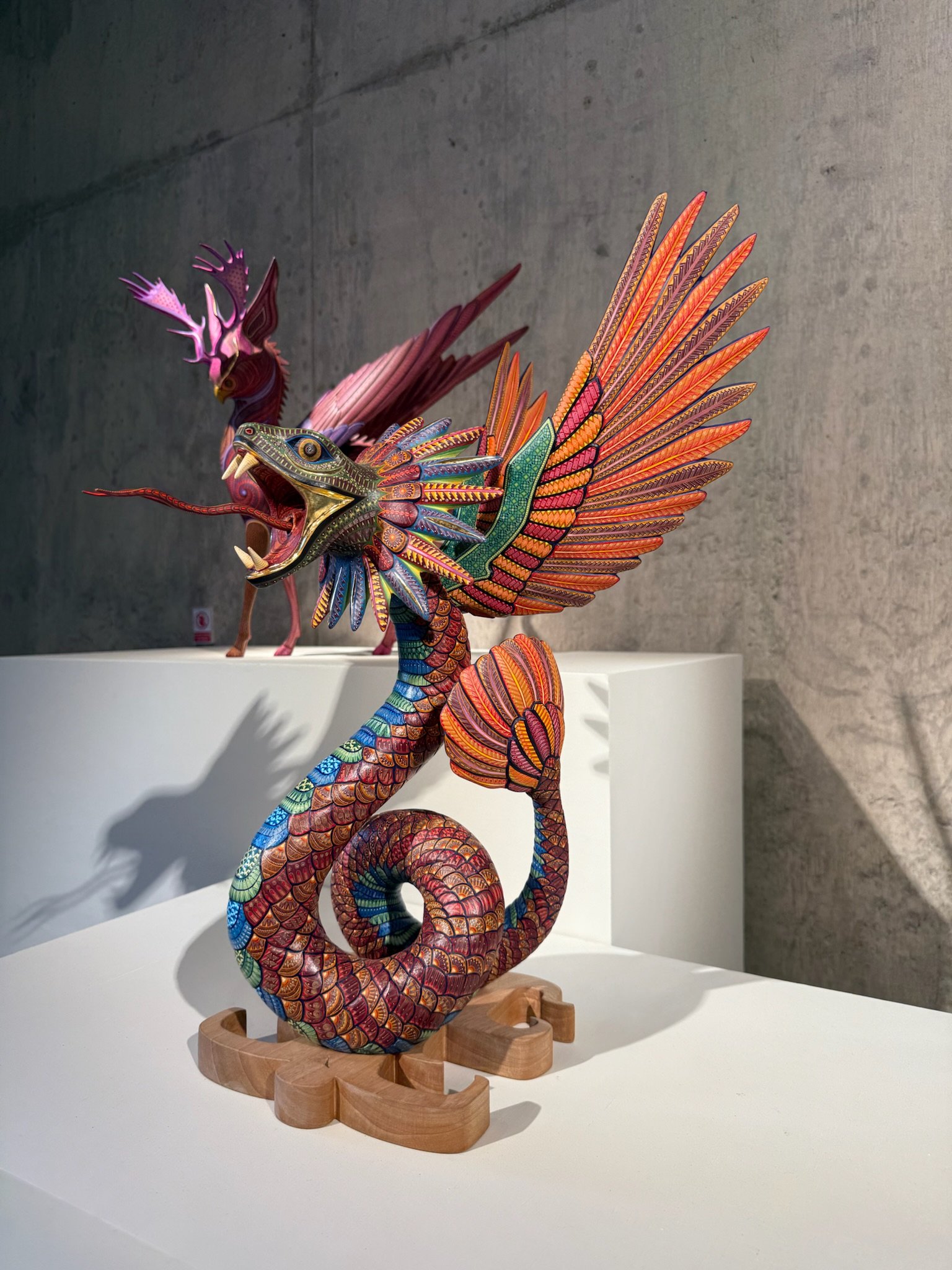
We also met Mama Coco — the cocinera who feeds their 220+ employees with warmth and pride. It’s no wonder Pixar drew inspiration from Tilcajete for Coco — the vibrancy here feels straight out of a dream.
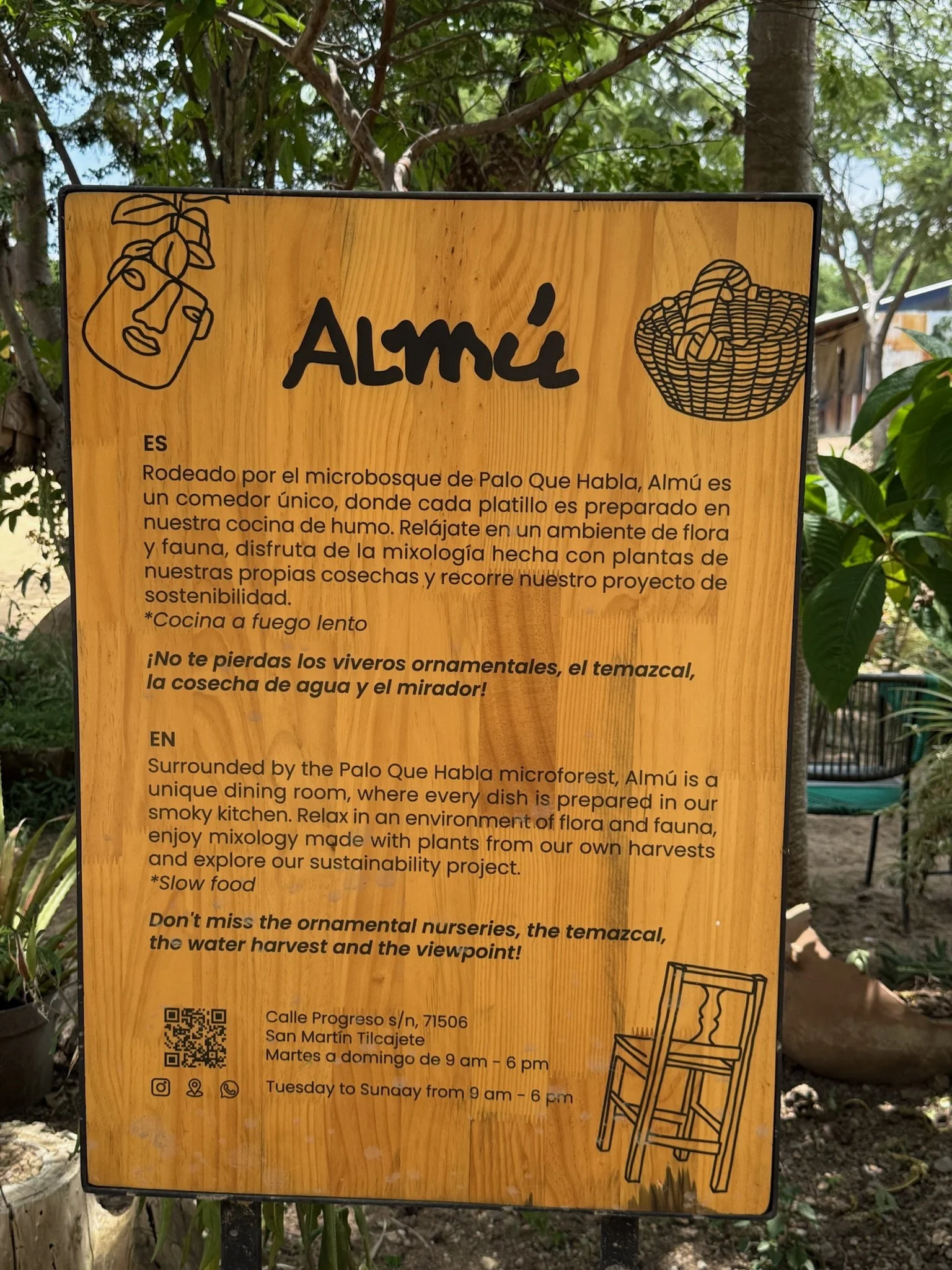
The Curandera then took us to lunch at Almú, a traditional Oaxacan kitchen where everything is cooked over firewood. The word almú comes from Zapotec and refers to an ancient unit of measure, once used in barter and exchange — a reminder that every ingredient has value, and every dish carries history.
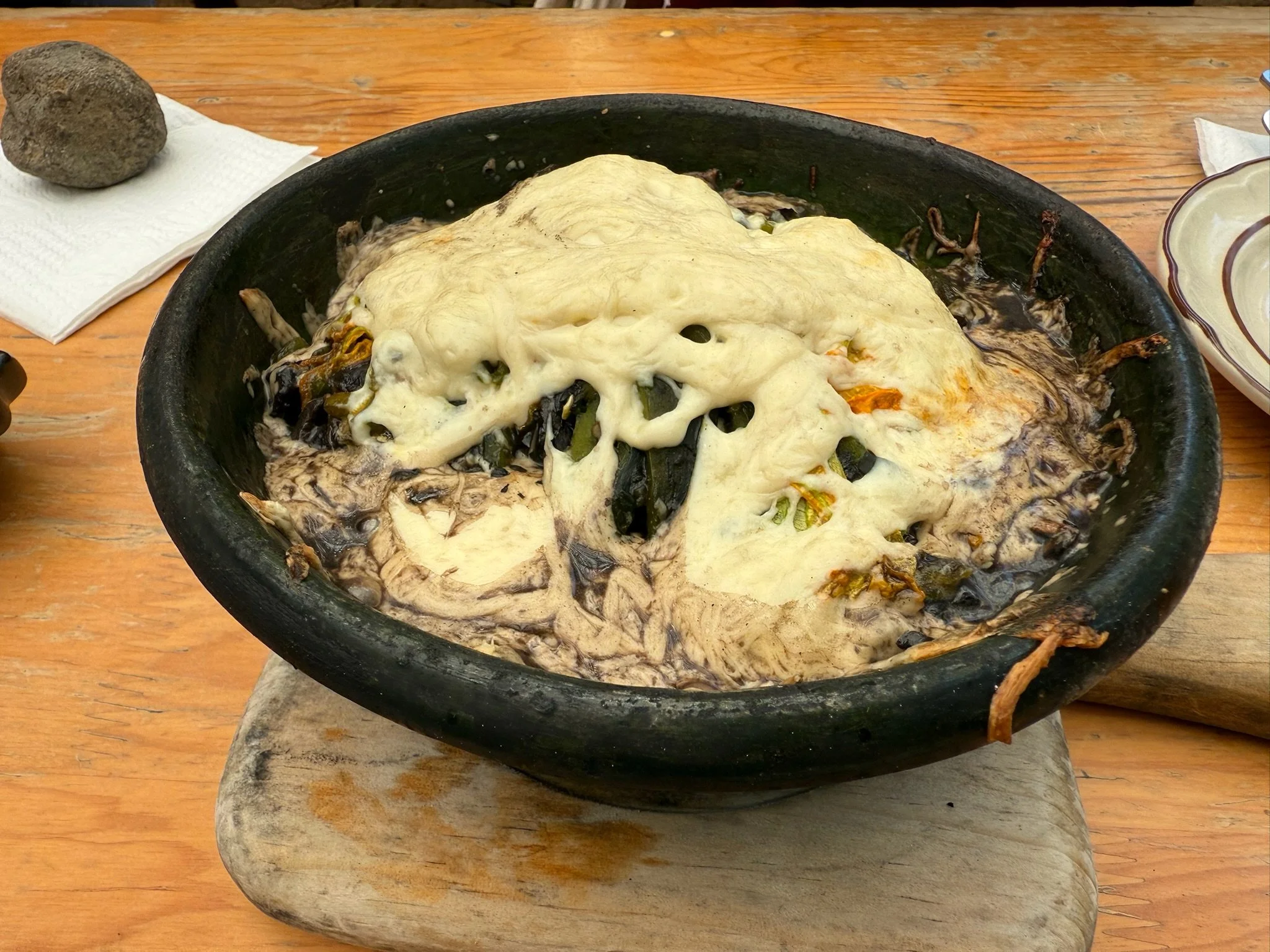
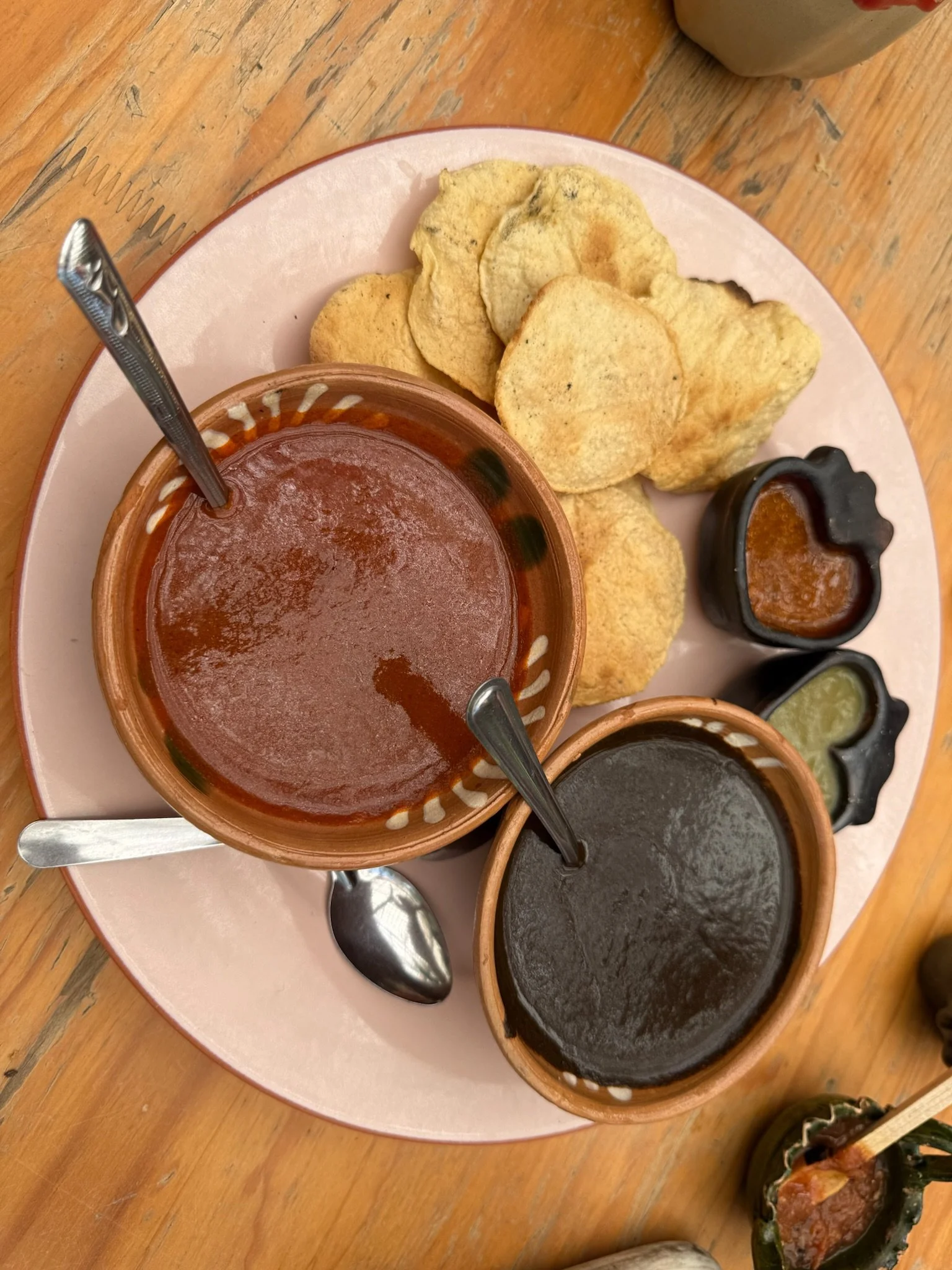
We ordered quesadillas de flor de calabaza, a cazuela de verdura gratinada, and a sampler of moles served with fresh tortillas. The food was muy rico — simple, traditional, unapologetically real. During rainy season, the vegetables reign — vines of zucchini flowers climb walls and spill from gardens, everything is green, plump, and deeply flavorful. The cheese — soft and fresh. The tortillas — warm and fragrant with toasted corn. Each bite reminded me why Oaxaca is sacred through the senses.
The Curandera and Her friend insisted we also visit the Tule Tree — El Árbol del Tule.
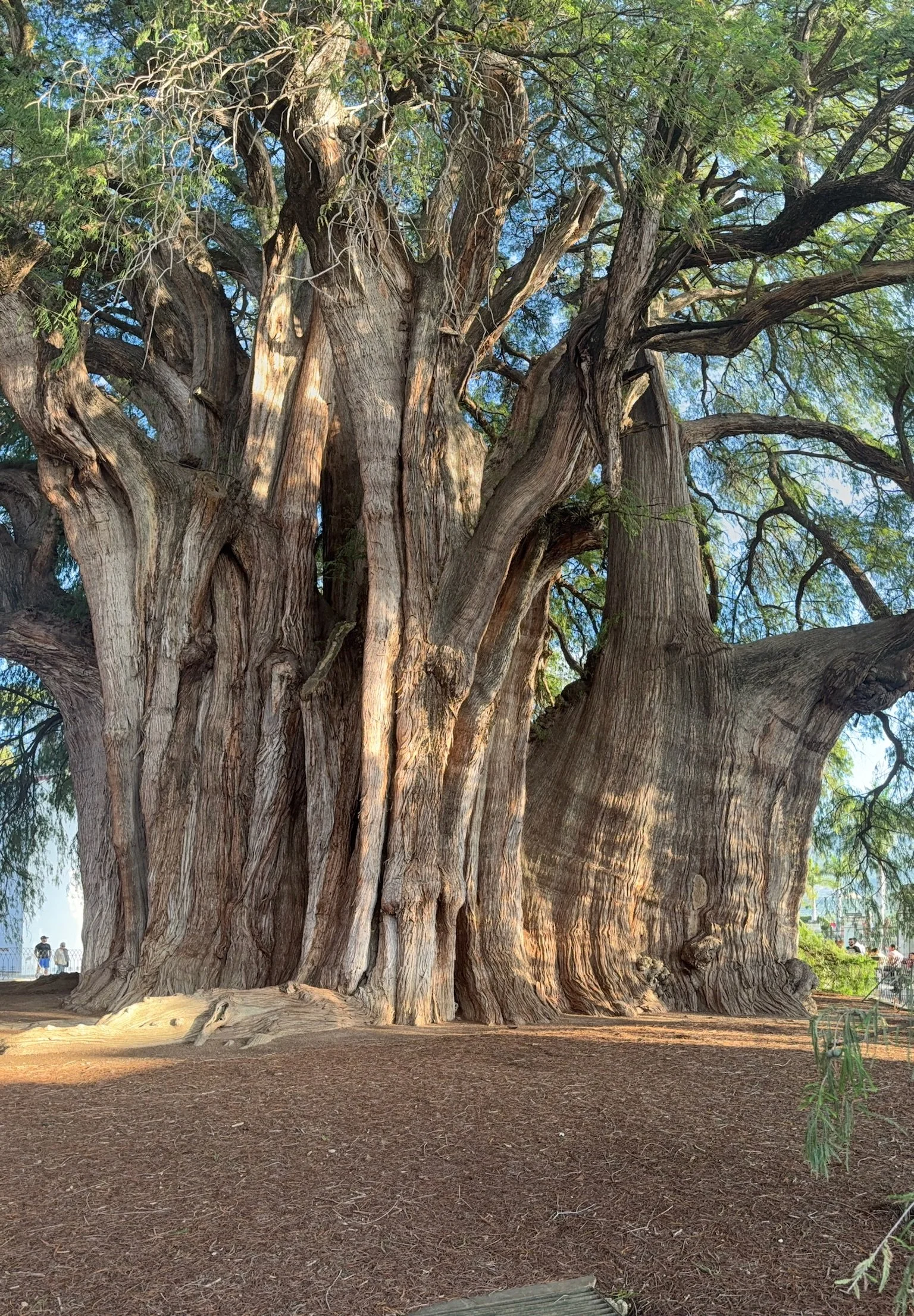
🌳 It’s considered the widest tree in the world, with a circumference of over 42 meters and an age estimated at more than 2,000 years. Its gnarled trunk holds faces, animals, and entire myths — all visible if you know how to look.
We ended the day with artisanal ice cream:
Crema de mezcal — smooth, earthy, subtly spiked
Beso de ángel — made with brandy, dried fruits, and nuts. A holy kiss, indeed.
The next morning, The Curandera and Her friend picked me up at the hotel. We were headed to Lachatao, a Zapotec community high in the Sierra Norte mountains. On the way, we stopped at La Punta for breakfast. I had a portobello mushroom melt — lush and perfectly cooked. They served it with slightly anise-flavored bread and homemade guanábana jam.
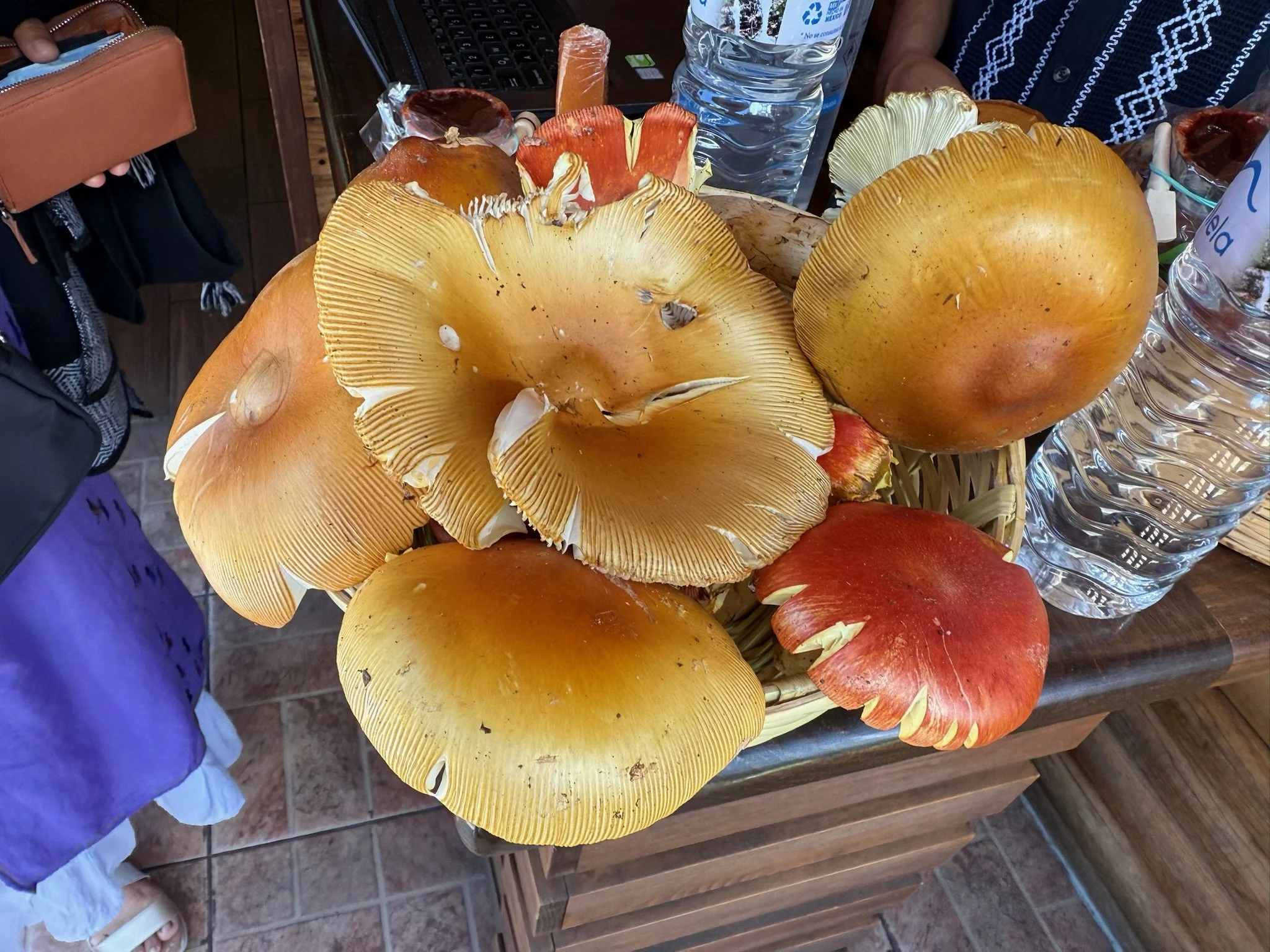
The hot chocolate was served in the traditional way, stirred with a molinillo de madera — a carved wooden whisk spun back and forth between the hands in a pottery bowl until the foam rises.
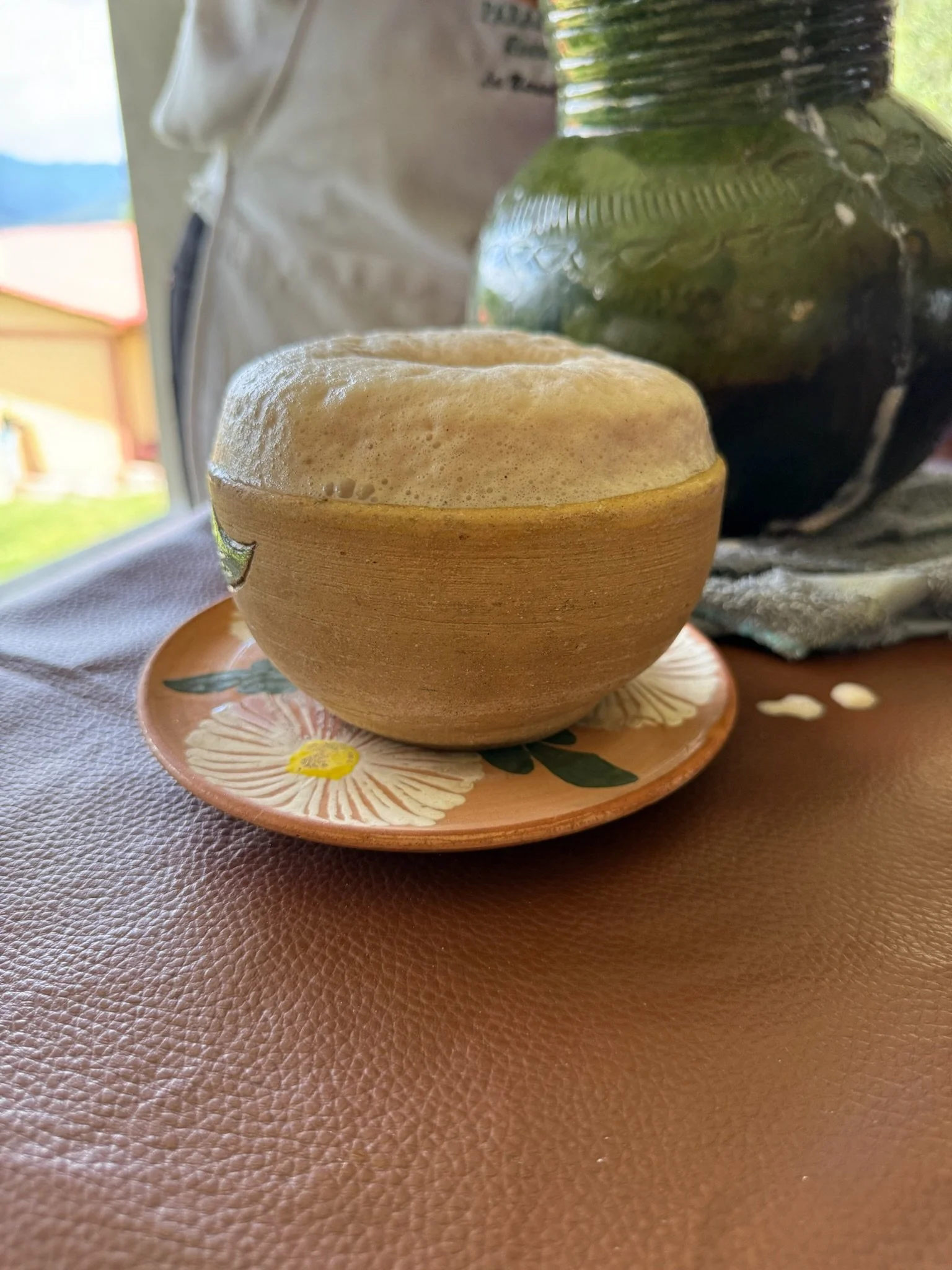
“You’re not allowed to marry until you can make good foam,” they say.
The Curandera took me to the workshop where they’re made and gifted me one with my name on it. I may already be married, but after a chat with Luis, we agreed: I should learn to make foam… and maybe remarry — in Mexico! ¡Todos están invitados!
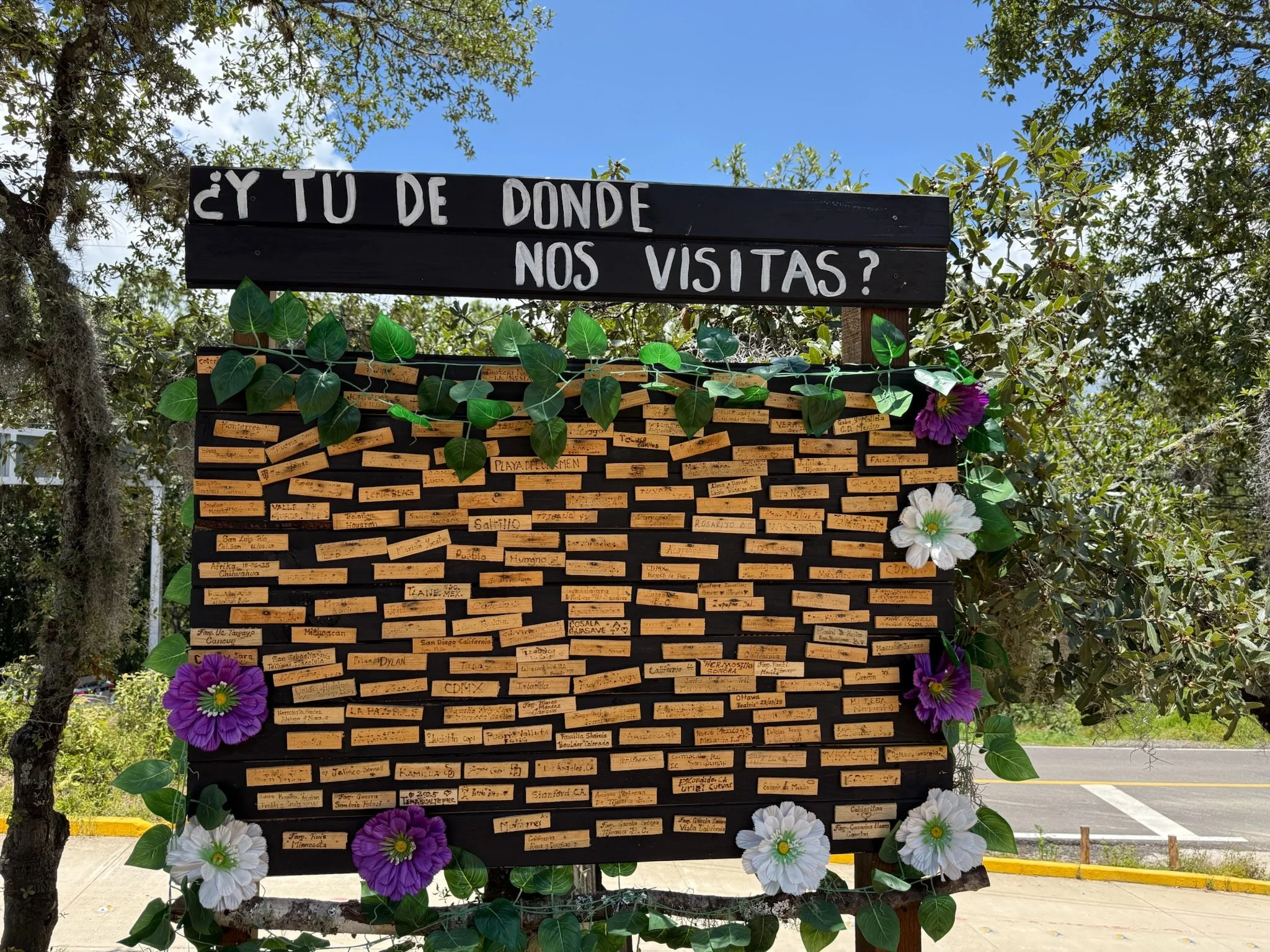
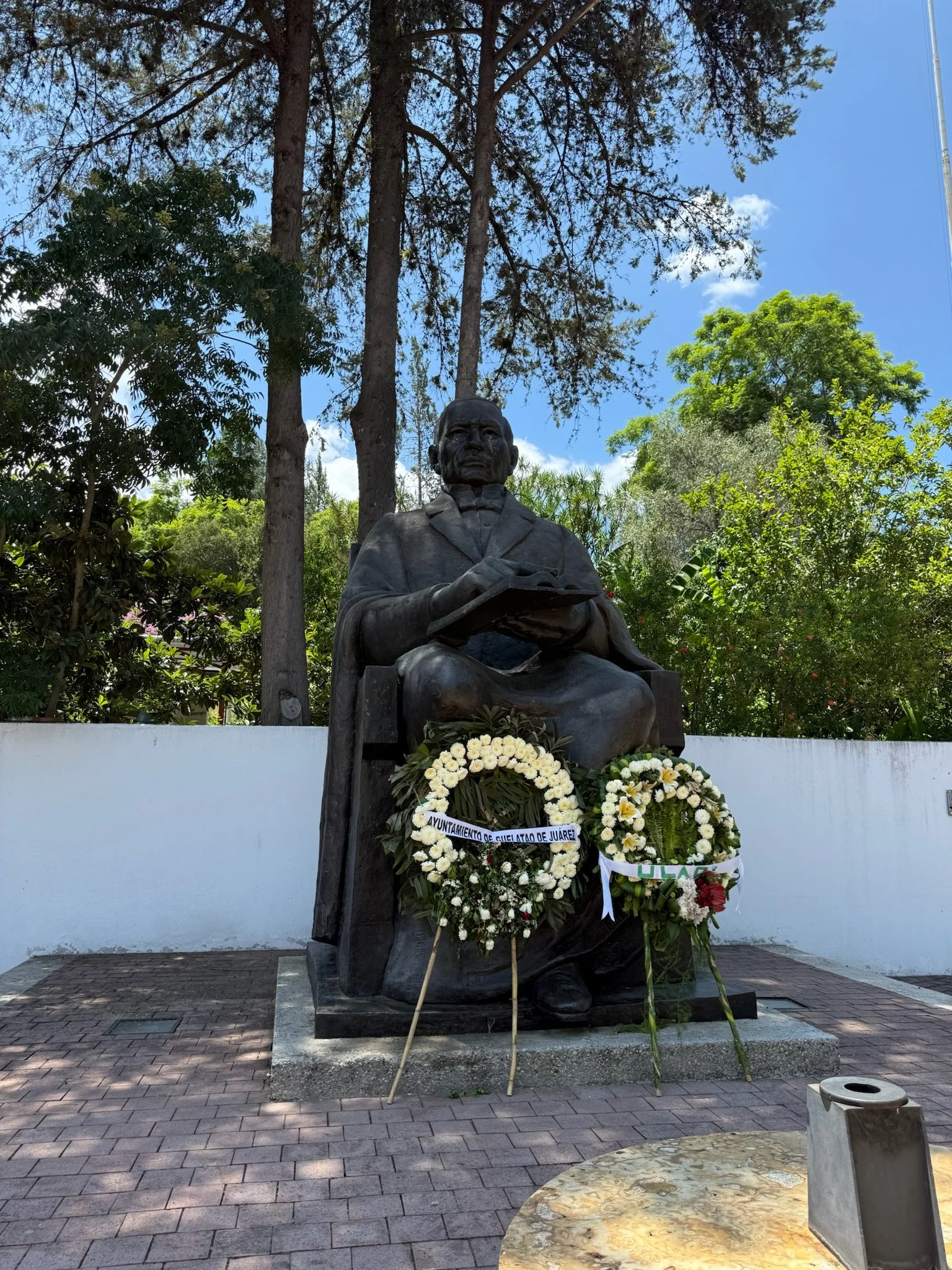
We continued on to Guelatao de Juárez, birthplace of Benito Juárez, the first Indigenous president of Mexico. Born into poverty, he rose to become a lawyer, governor, and national leader — challenging colonial structures and defending Indigenous rights. A reminder that Indigenous excellence is not a new phenomenon — it has always been.
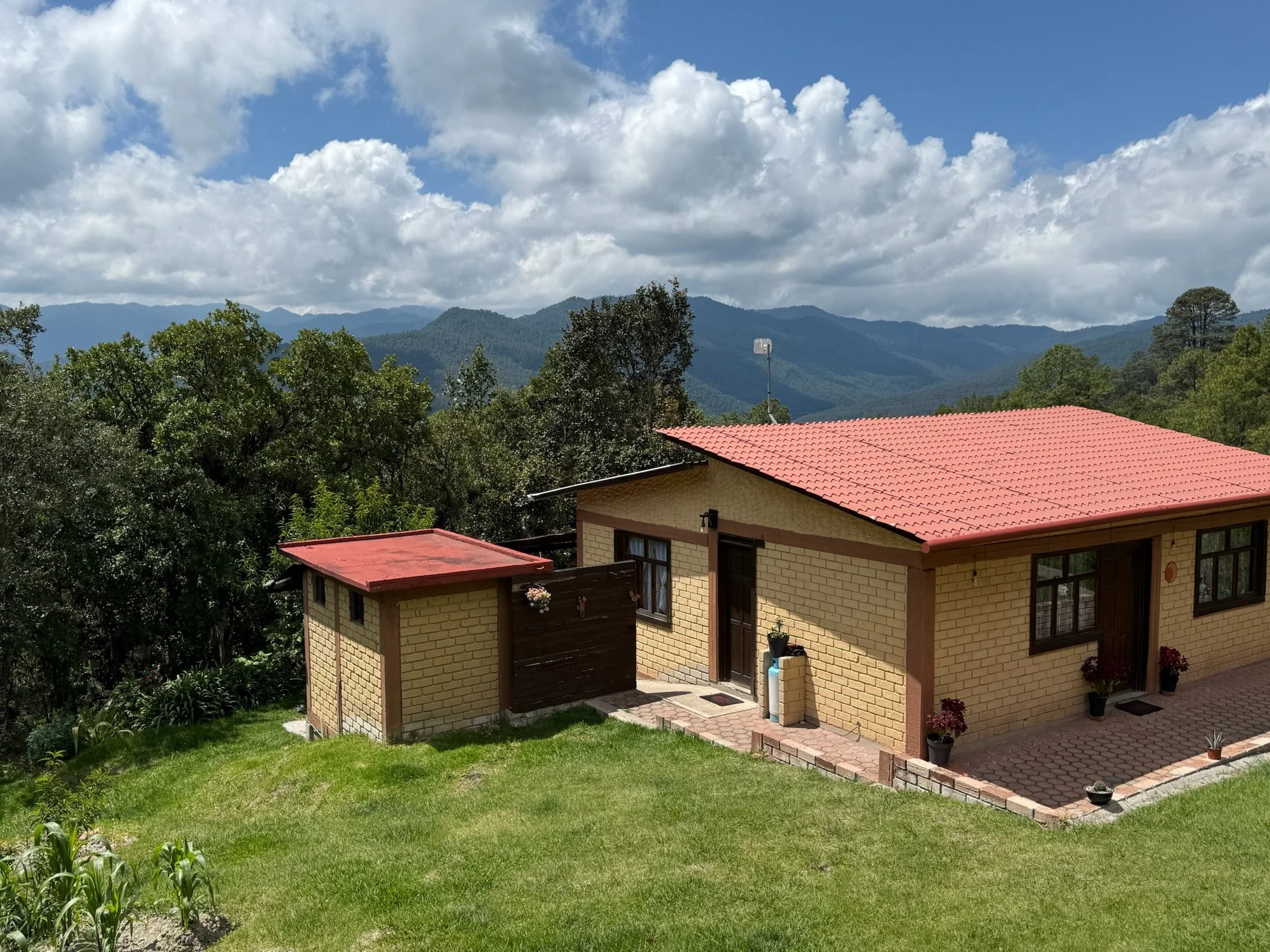
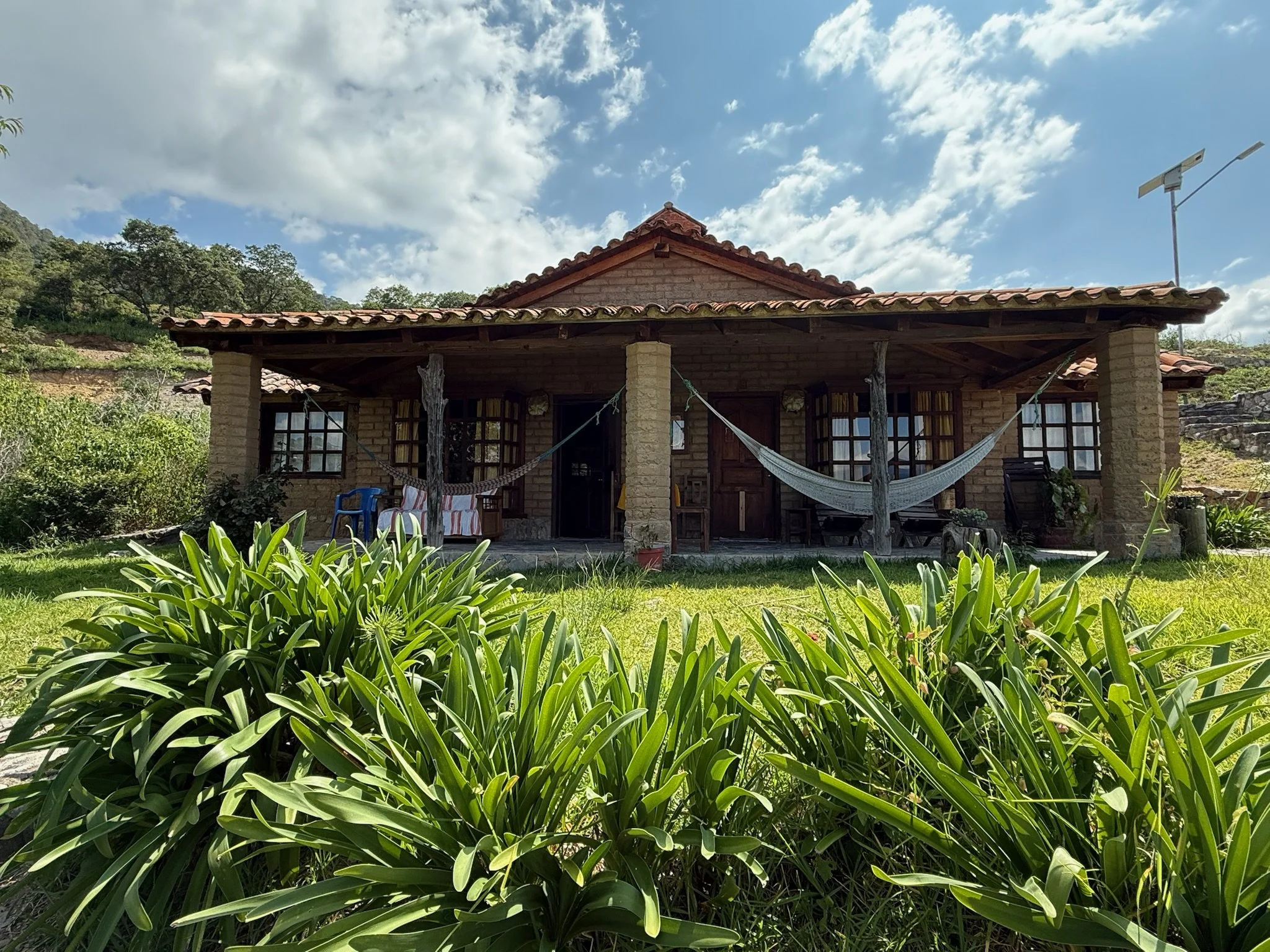
Then, on to Lachatao, where I stayed in an ecotourism cabaña nestled in the mist. The view was breathtaking — deep valleys wrapped in cloud, with the jagged mountains rising behind.
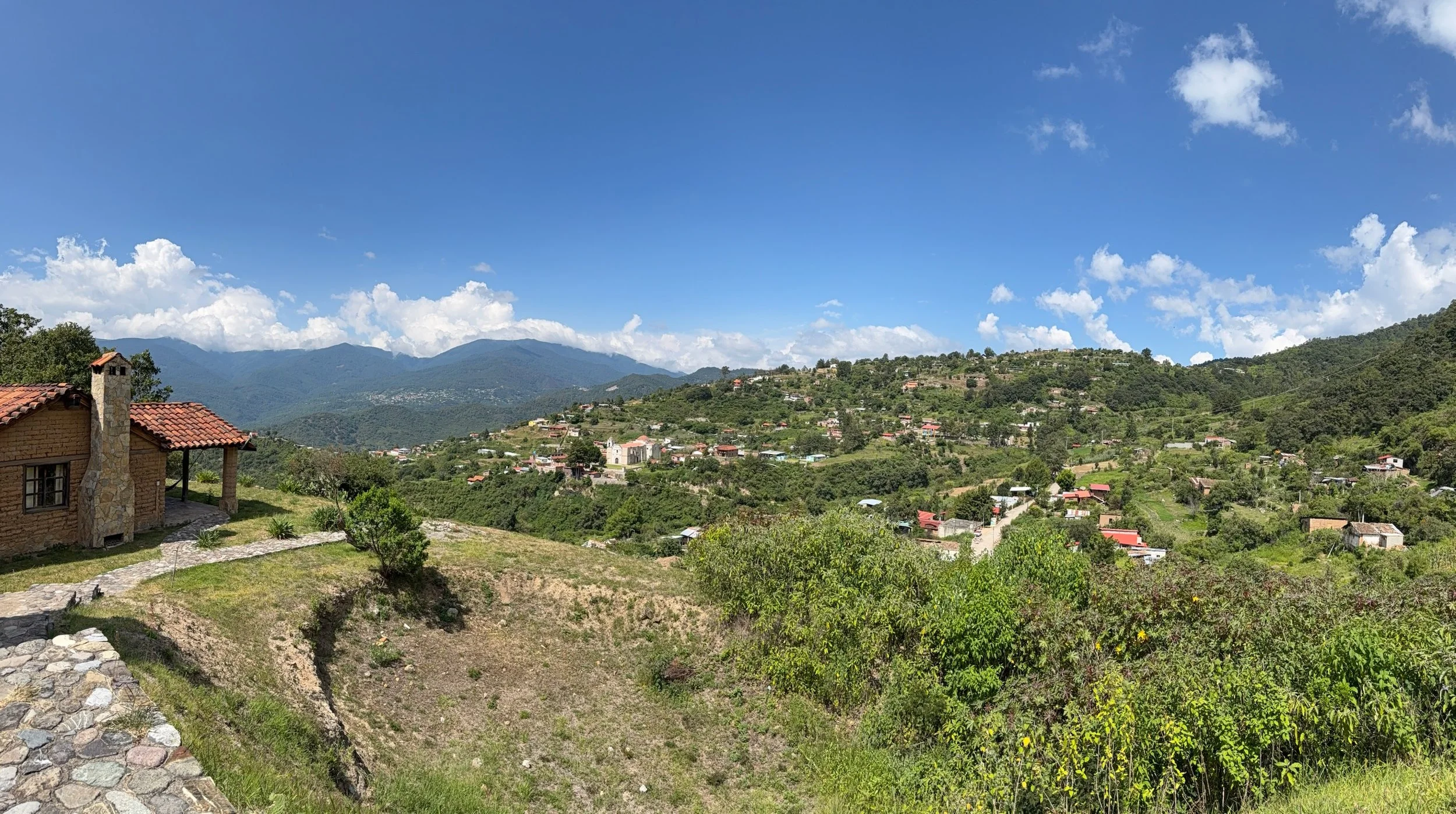
The Curandera spoke fondly of her friend Óscar, a community member who, through curiosity and reverence, uncovered a hidden pyramid on Cerro del Jaguar. The elders always told stories of their ancestral origins — Óscar simply brought proof. He even found a sealed stone door to the pyramid. But here’s the part I loved most: they have no interest in excavating it.
“We already know what we’ll find,” they say.
Instead, they climb to the adoration platform at the peak — the place of offering and communion.
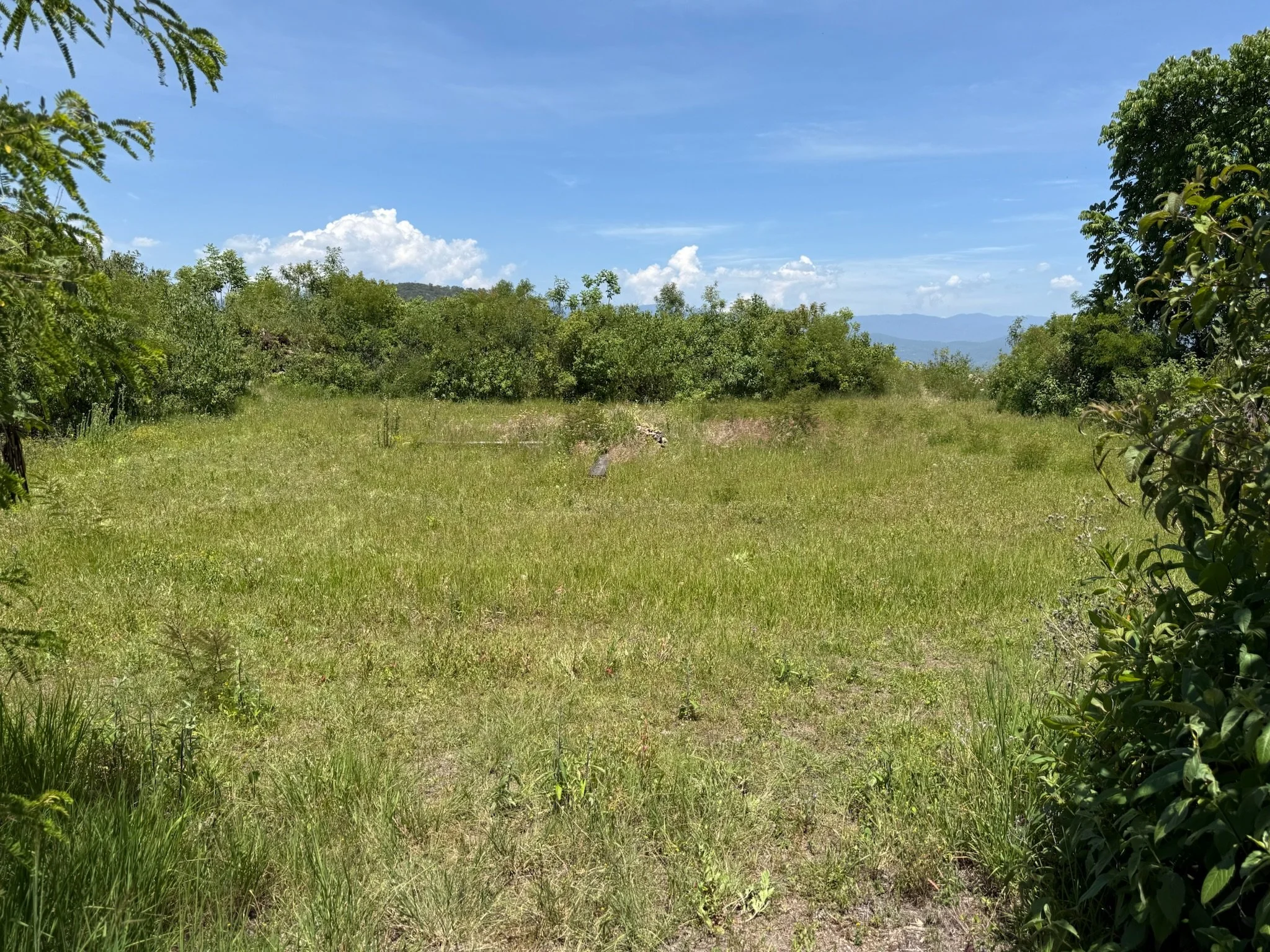
Ceremonial grounds
During our ceremony atop the mountain, vultures circled overhead — The Curandera whispered that they often appear over sacred lands. As the prayer ended, they slowly drifted away.
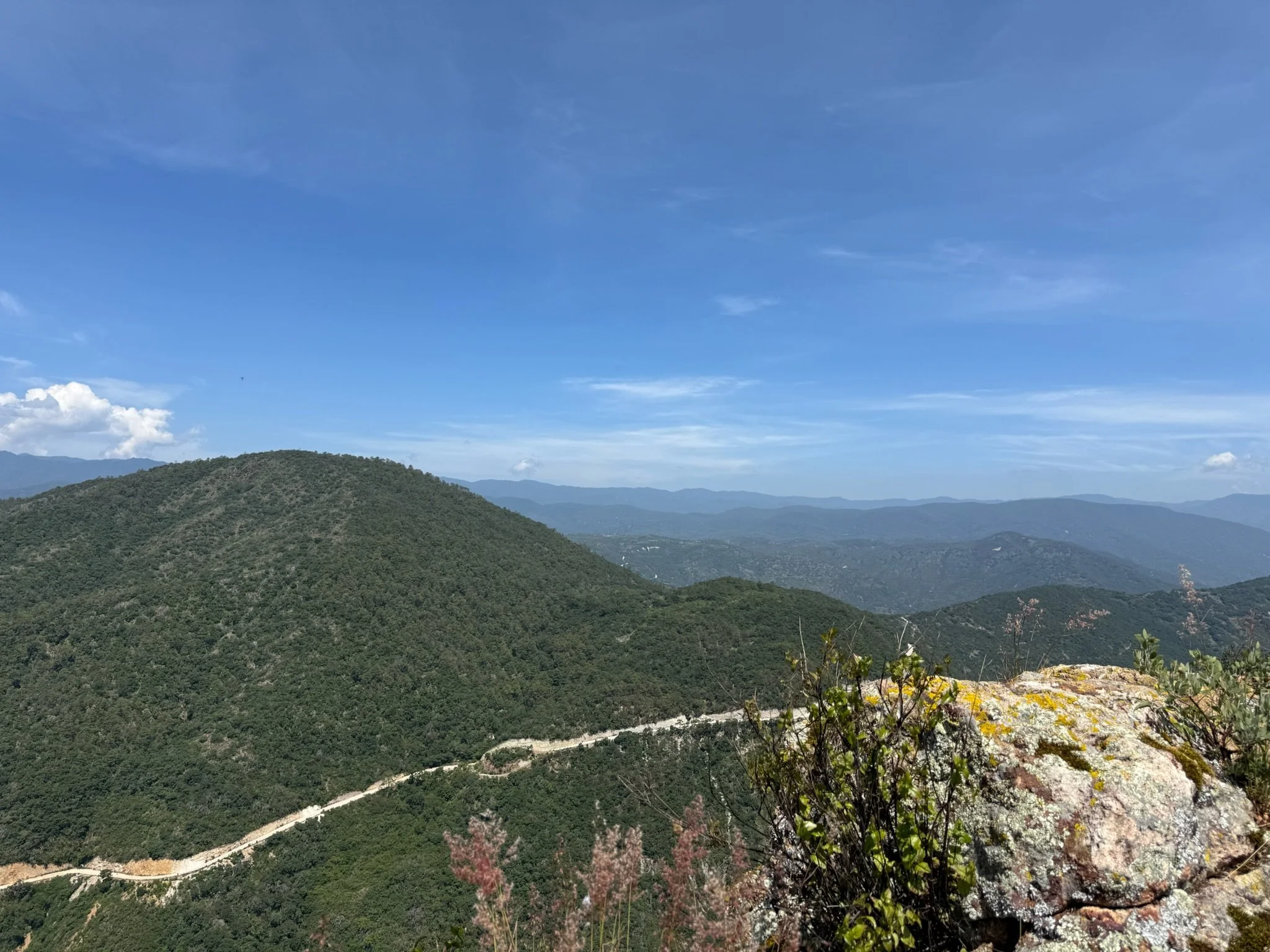
At one point, Her friend asked me to close my eyes and trust him. He guided me by hand, step by step. When I opened my eyes again, expecting a path, I was instead standing at the summit, overlooking a vast green valley — a sudden and stunning reveal. I felt cracked open in the best way. Humbled. Liberated.
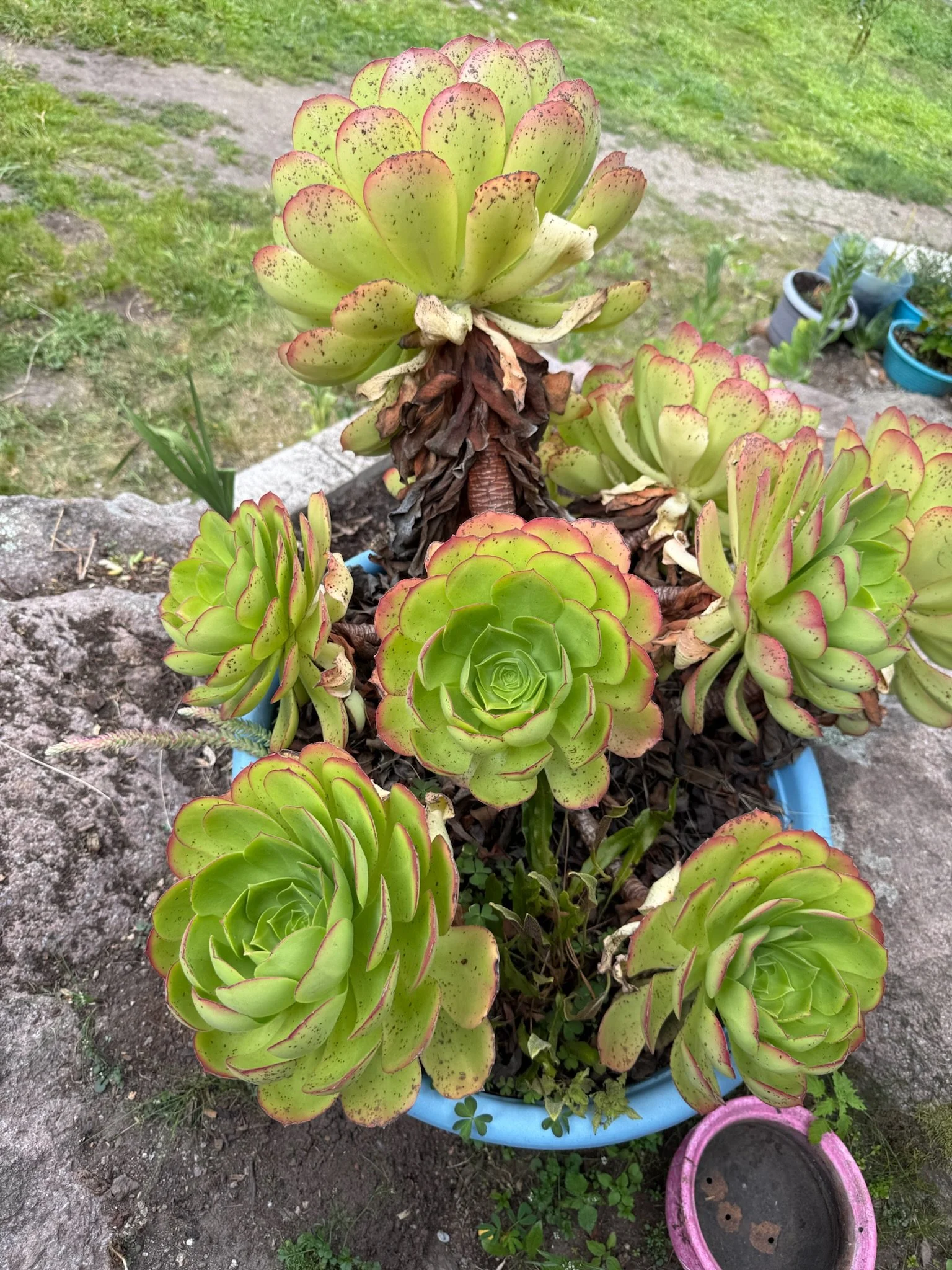
On our return, we made one final stop in a small village to find Sonia, a healer who makes pomadas with herbs she cultivates herself. I bought a few for my kit.
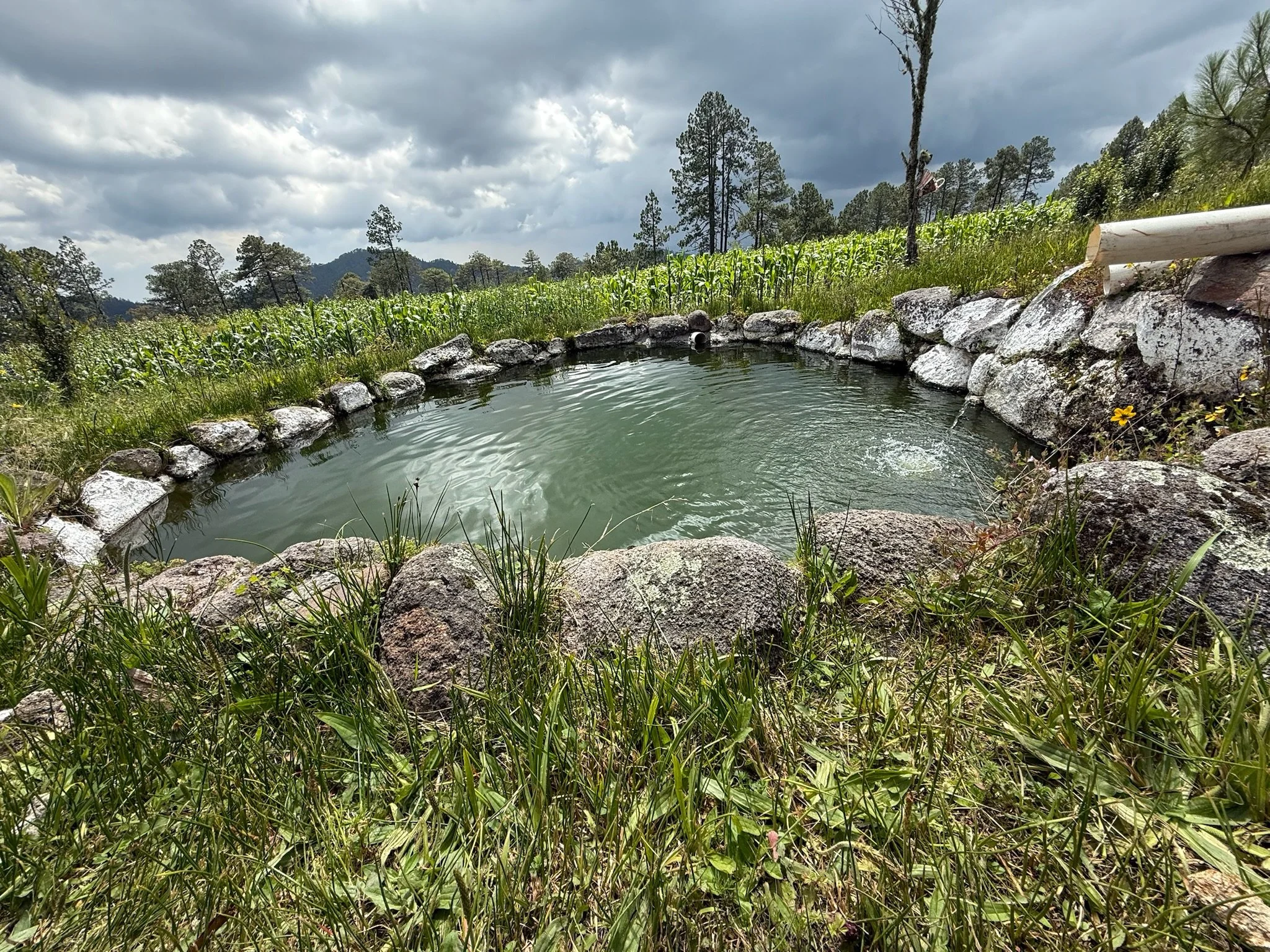
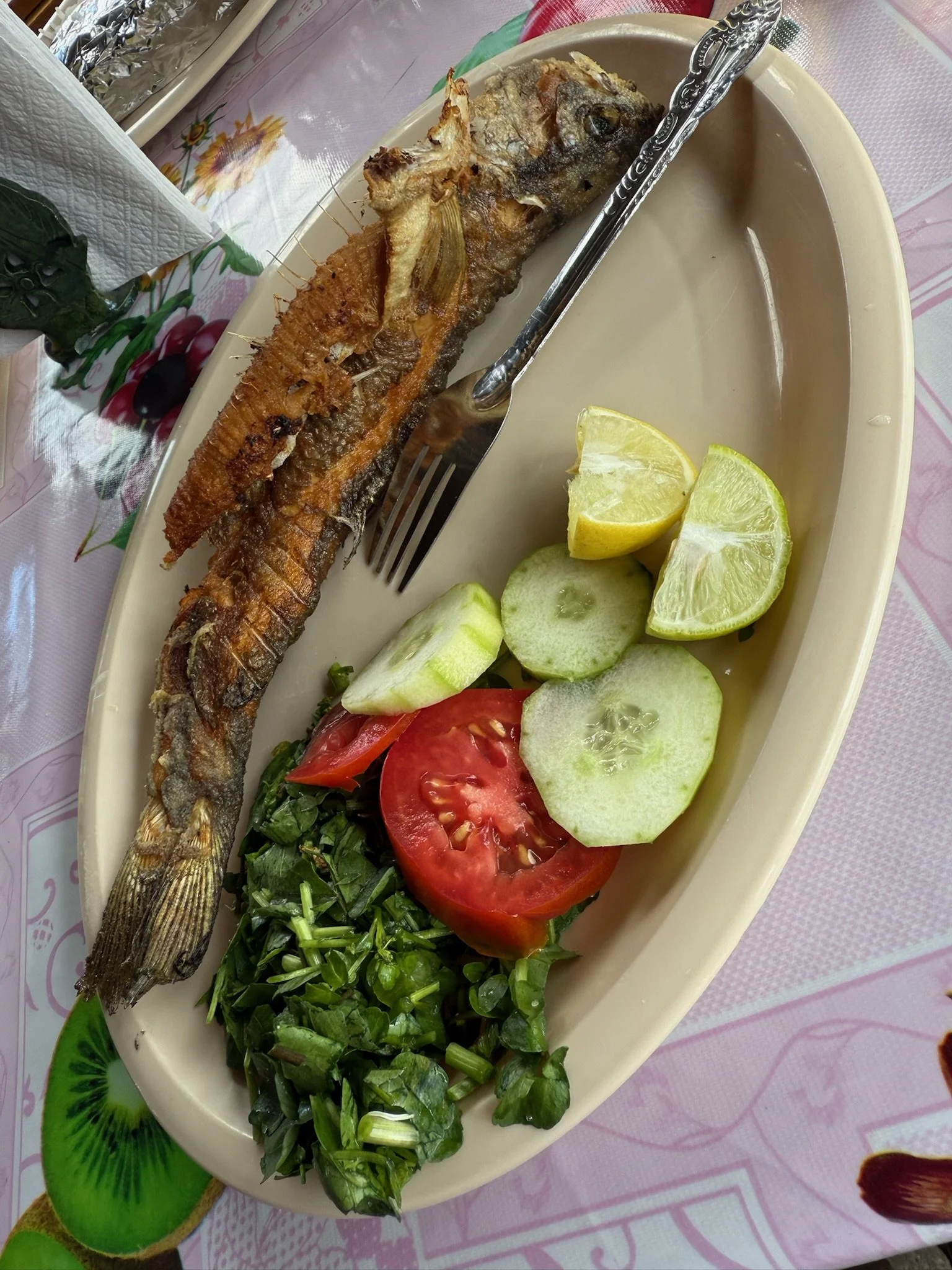
And finally, dinner at a local trout comedor — fresh trout (not native but now sustainably farmed in mountain ponds), caught to order and fried to perfection.
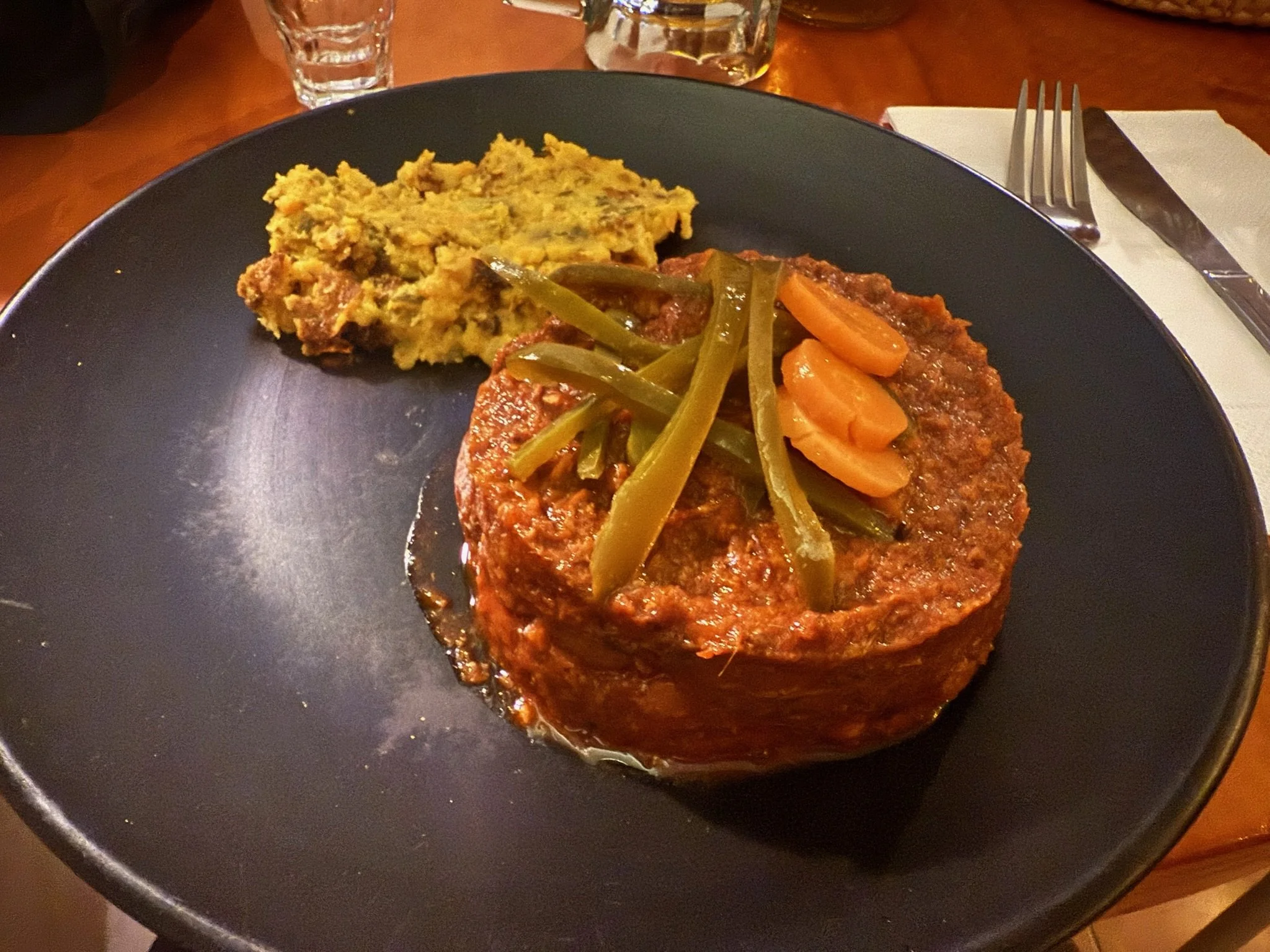
Now back in the city, I wandered into an istmeño restaurant - Totopo de Güero - hat tip to my Mexican chihuahua. Where I was welcome with a shot of house mezcal espadín - the strongest of mezcals. I ordered the estofado istmeño a rich beef dish made with 22 ingredients and absolutely divine! I may spend a bit more time trying out some of their mezcal cocktails. It is my pre-birthday dinner after all!!
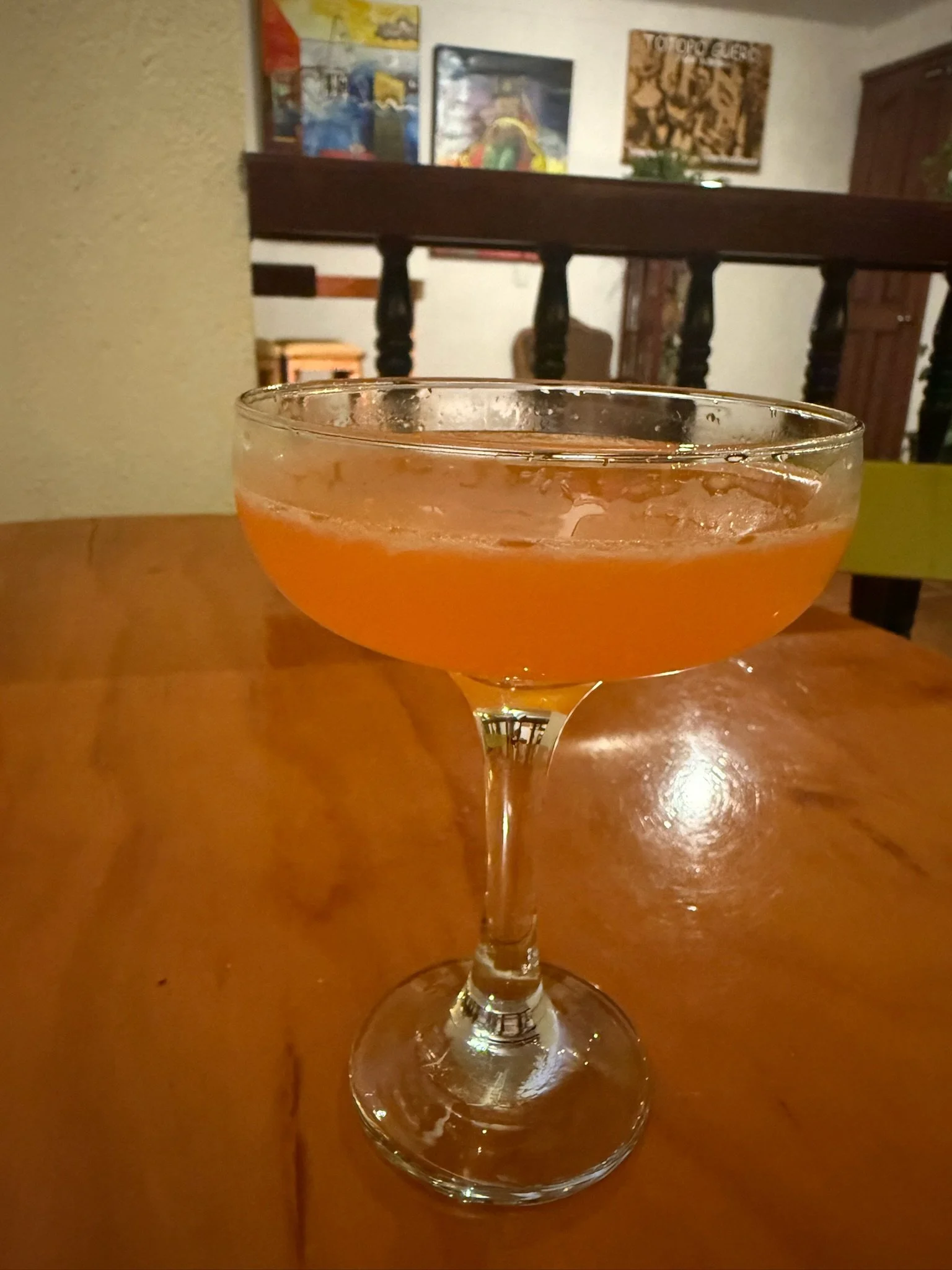
Salud!