Two Thousand Years Beneath the Jungle
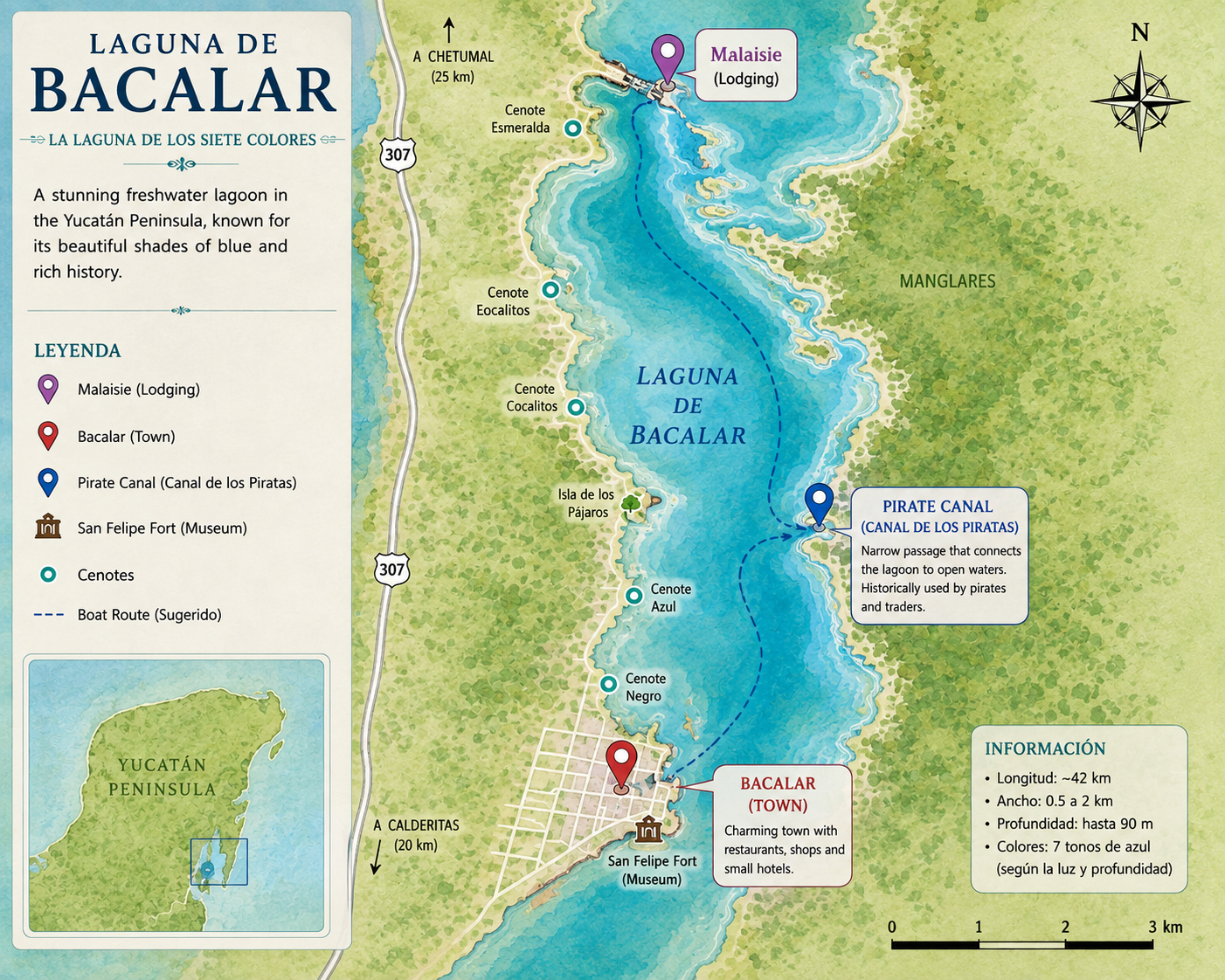
Bacalar. A small town nestled along the beautiful Laguna of the same name.
A fort fills the centre of town, built in the 18th century as a defensive stronghold against pirates and the English-backed settlers who repeatedly attacked this part of the Yucatán. Today, it is a museum. Unfortunately, it is closed on Mondays. We walked past it today, so we will return later this week to have a proper look inside.
The town itself is a collection of small streets lined with hotels, restaurants and shops selling much the same things, or at least variations of them, as the coastal towns we had just left. I was happy to discover that La Pancha also has a location here in Bacalar. We had wanted to try it in Mahahual, but it was closed when we reached it.
One thing we have quickly learned in Mexico is that many businesses do not bother updating their little corner of the online world. Opening hours, days off, temporary closures… all remain a mystery until you actually walk over and discover the truth for yourself. The internet may say one thing. The locked door says another.
On our first day, we went looking for a grocery store to pick up the basics, knowing that we could head to the market the following morning. Sunday is usually market day, and families arrive early to make sure they get what they need before the good stuff disappears.
Bacalar’s market is tiny. But it holds the essentials: fruit, vegetables, pollo, carne de cerdo and, of course, a few stalls serving cochinita pibil and relleno negro.
The beautiful smell of a Mexican Sunday morning.
I purchased what I would need for the week, and a little more to take home, and off we went, fresh produce and ice packed into the cooler.
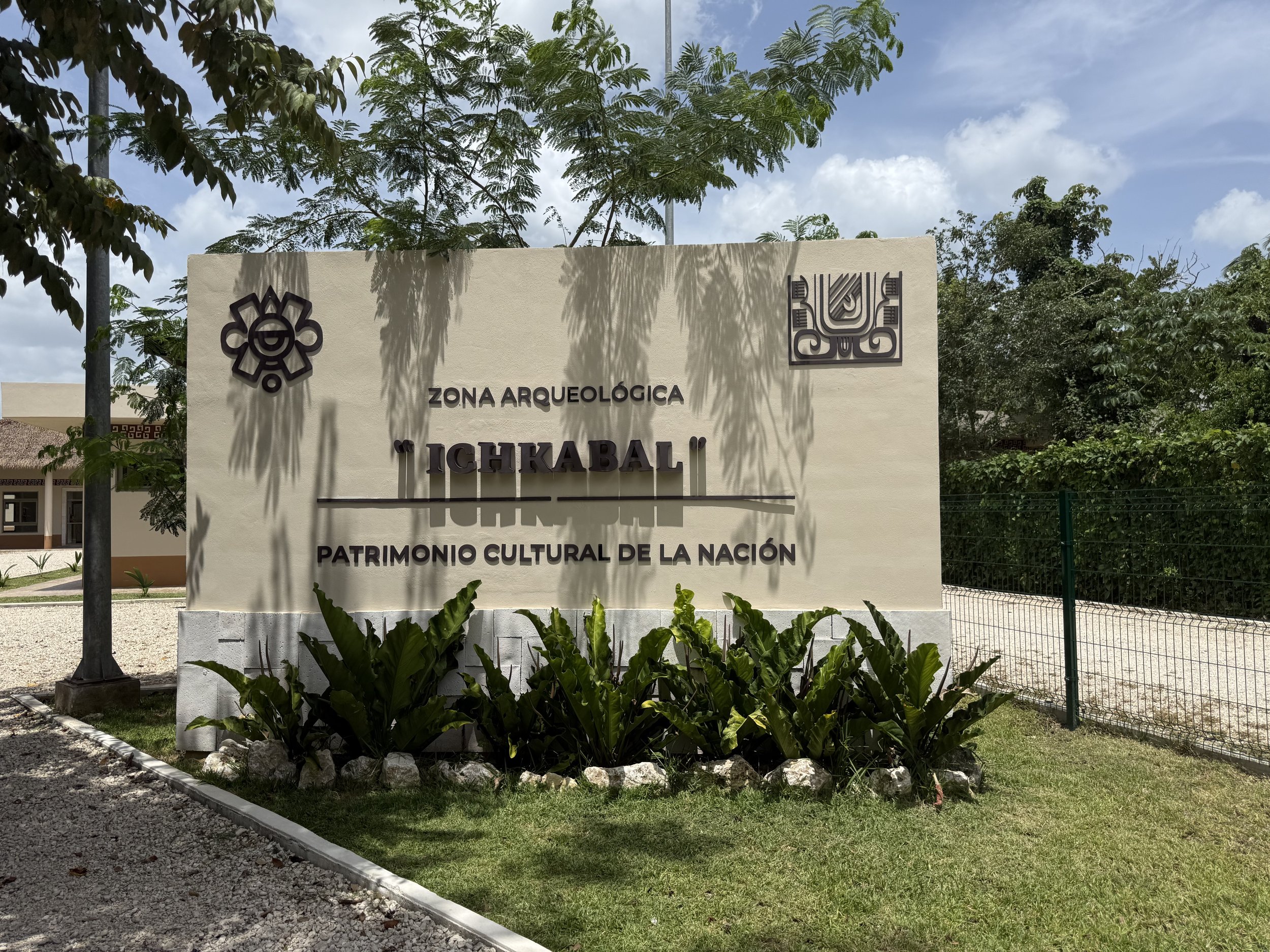
I wanted to visit some archaeological sites while we were here. There are several around the Laguna, and we opted for Ichkabal.
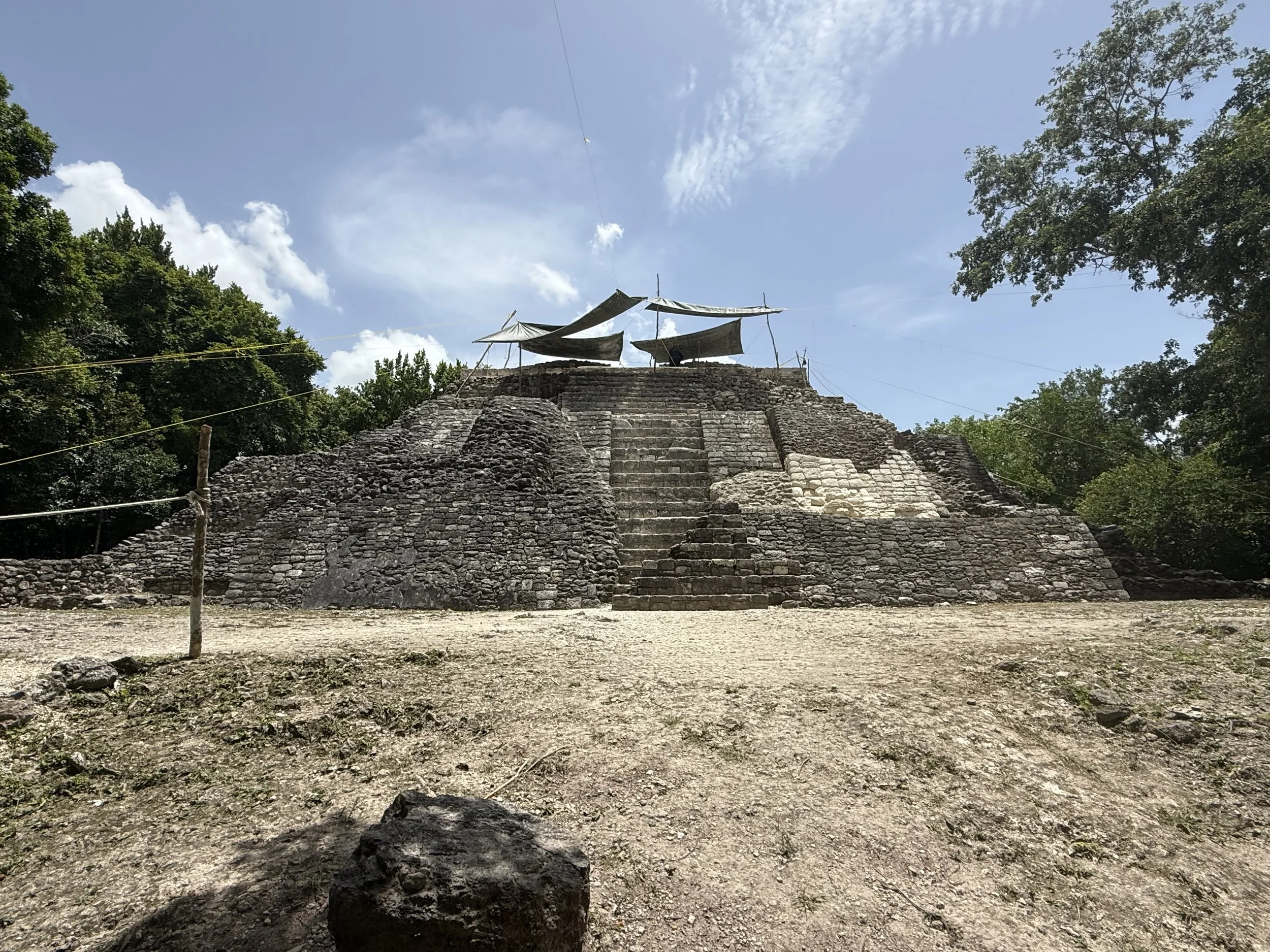
Ichkabal is one of those places where the word “discovery” needs a little explaining. The ancient city was identified by archaeologists in 1995, when Luz Evelia Campaña and Javier López Camacho, working with local guides, came across monumental structures rising more than 40 metres above the jungle. The name they gave it, Ichkabal, means “between bajos”, referring to the low, often waterlogged landscape surrounding it. Archaeological evidence places its occupation as far back as the Middle Preclassic, around 550 to 300 BC, with the city reaching its greatest prominence between roughly 200 and 600 AD. It was an important political and economic centre, contemporary with great Maya cities such as Calakmul and Tikal.
And yet, for all those years of archaeological work, the site remained closed to the public.
That changed in January 2025, when Ichkabal finally opened its gates as an official archaeological zone. Its opening came after decades of research and conservation, and through the PROMEZA programme associated with the Maya Train project. It is, in a sense, a very old city that has only just become visible to the rest of us. (Inah)
We arrived and simply walked in.
The entrance buildings are remarkably modern, with clean facilities and proper washrooms, but there were still more staff than tourists, something that has become almost customary for us these past few weeks.
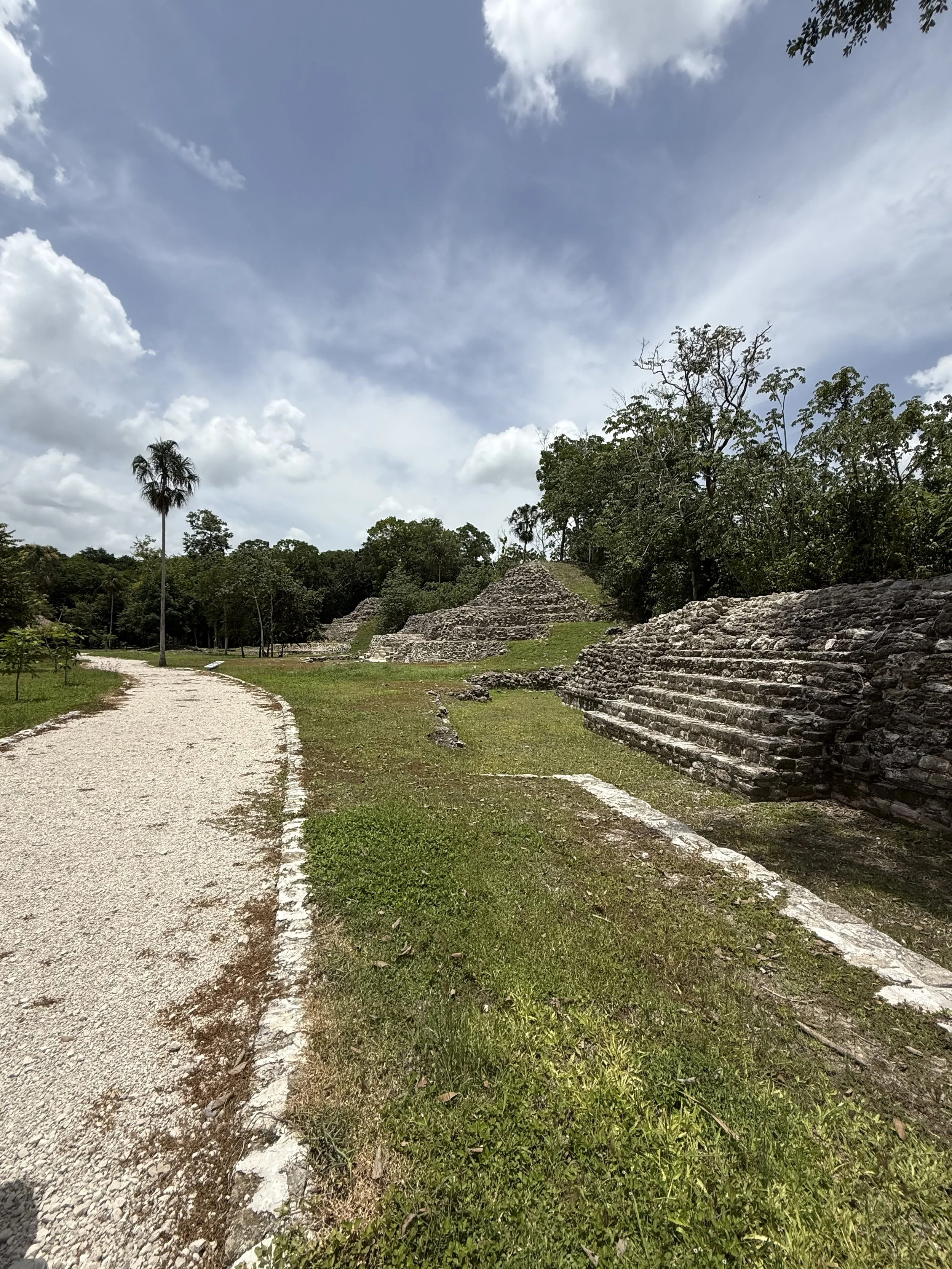
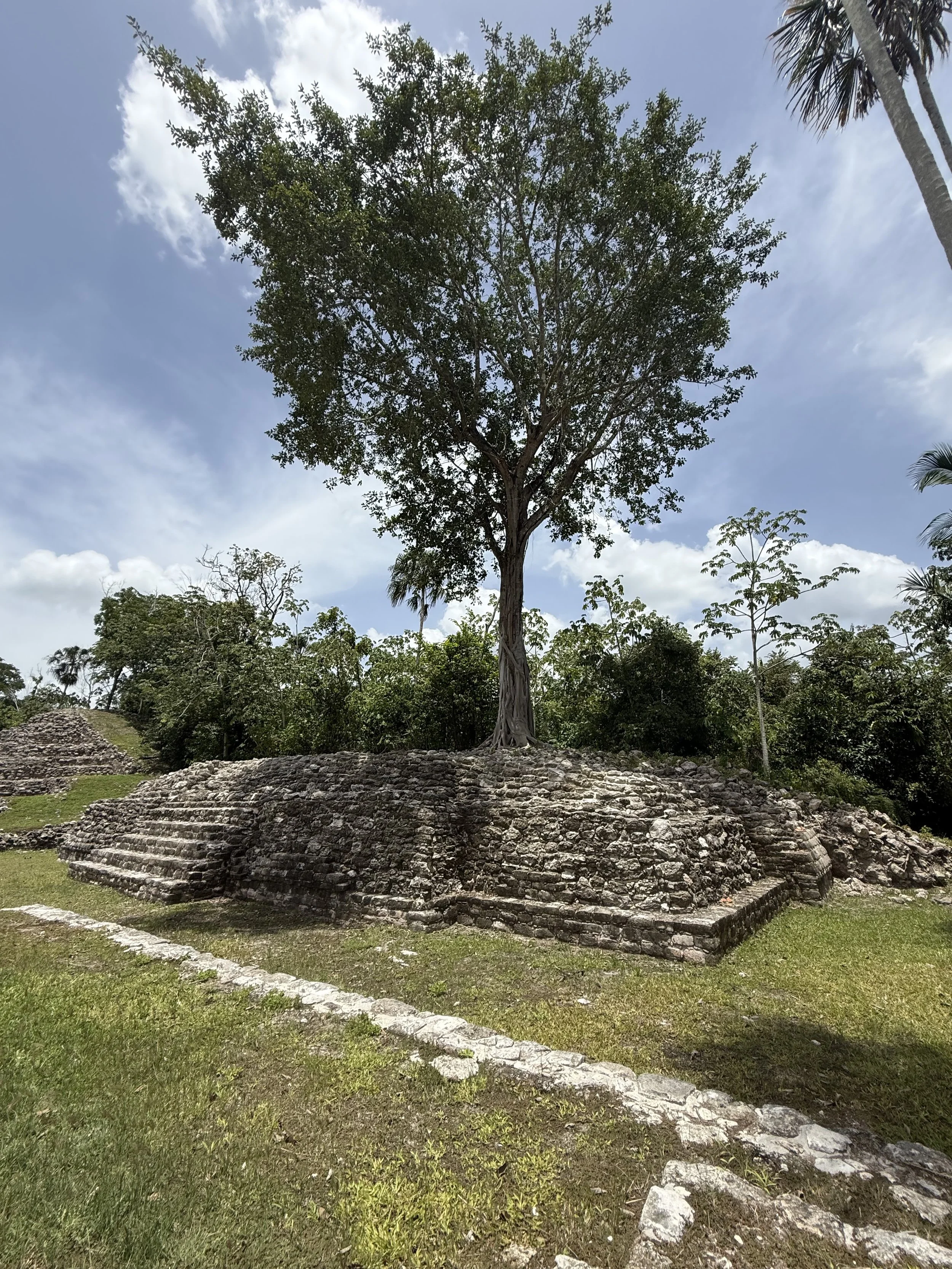
The site is laid out as a loop and takes roughly two hours to walk. Along the way, panels offer theories about the purpose and function of the different structures. But when buildings were constructed more than two thousand years ago, certainty becomes a slippery thing. We are left looking at enormous platforms and stairways, trying to imagine the city that once occupied them.
Most of the structures have been stripped of their upper levels. The second and sometimes third stories are gone. Stones were removed, carried away and reused somewhere else.
But where?
And by whom?
Were they taken by the people who lived here, gradually dismantling buildings as the city changed? Were they reused by later populations who occupied the site? Or were the stones simply too valuable a source of ready-made building material to remain where they were?
Then there are the offerings.
Evidence suggests that some acts of reverence took place long after certain structures had already been altered or dismantled. Objects were deliberately left behind, suggesting that the ruins themselves continued to hold meaning.
But who left them?
The people who had lived here?
Those who came after them?
It is impossible to know.
And that is what makes Ichkabal so fascinating. The more you learn, the more questions seem to emerge from beneath the stones.
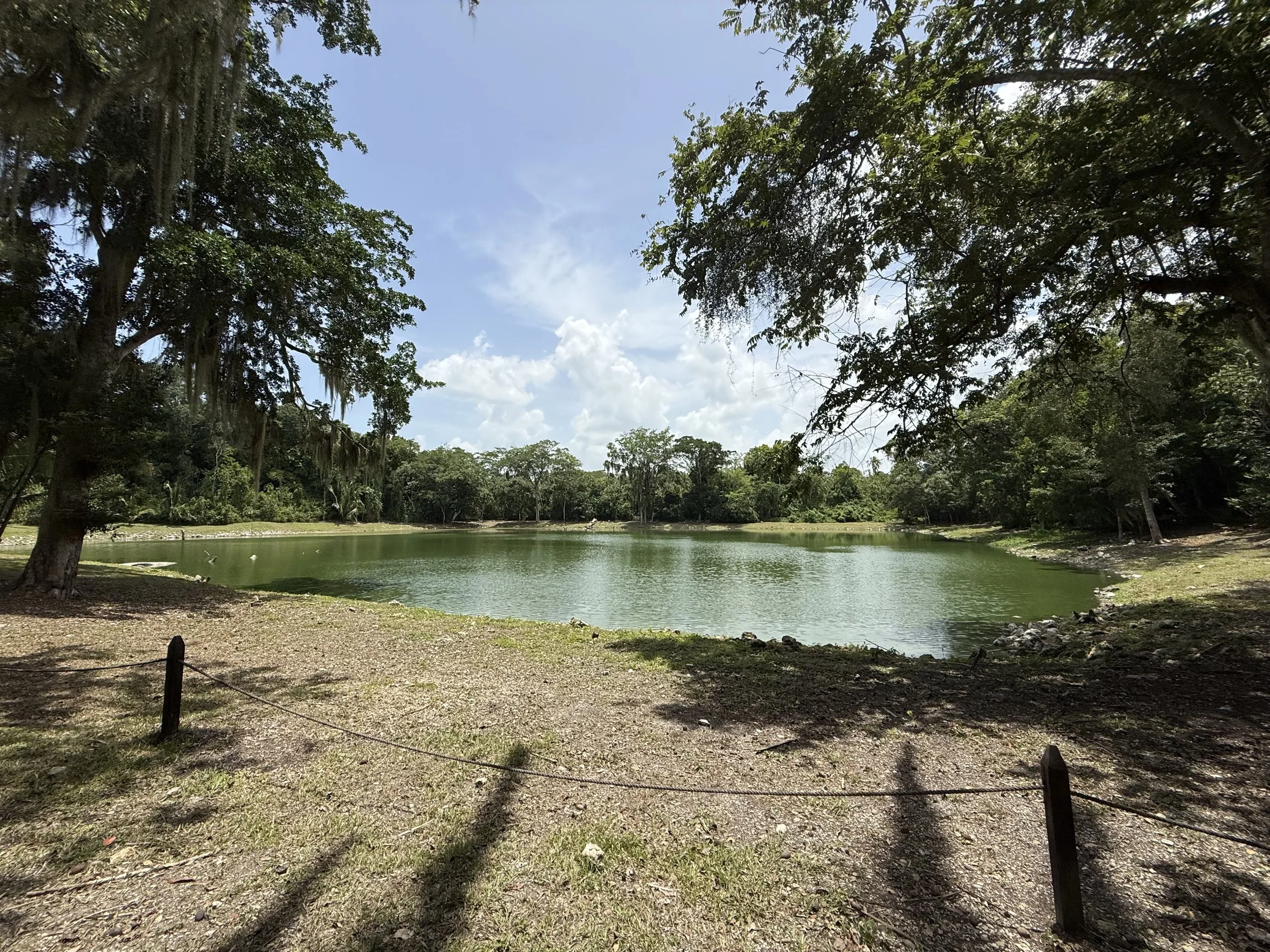
The city was built in a landscape deeply shaped by water. Ichkabal itself is surrounded by bajos, aguadas and wetlands, and the wider region is threaded with lagoons, cenotes and other bodies of water that held profound importance in Maya cosmology. Water was not simply water. Certain watery places could be understood as points of connection with the supernatural world, including the underworld, Xibalba.
Standing there, looking toward the water and imagining everything that may have happened here over thousands of years, I found myself wondering what lies beneath it all.
We know the Maya left offerings in sacred waters.
So what is still sitting beneath the surface of these lagoons?
Somewhere down there, perhaps, are pieces of a story that we have not yet learned how to read.